Classifying Sand and Gravel: Types of Aggregate and How to Choose
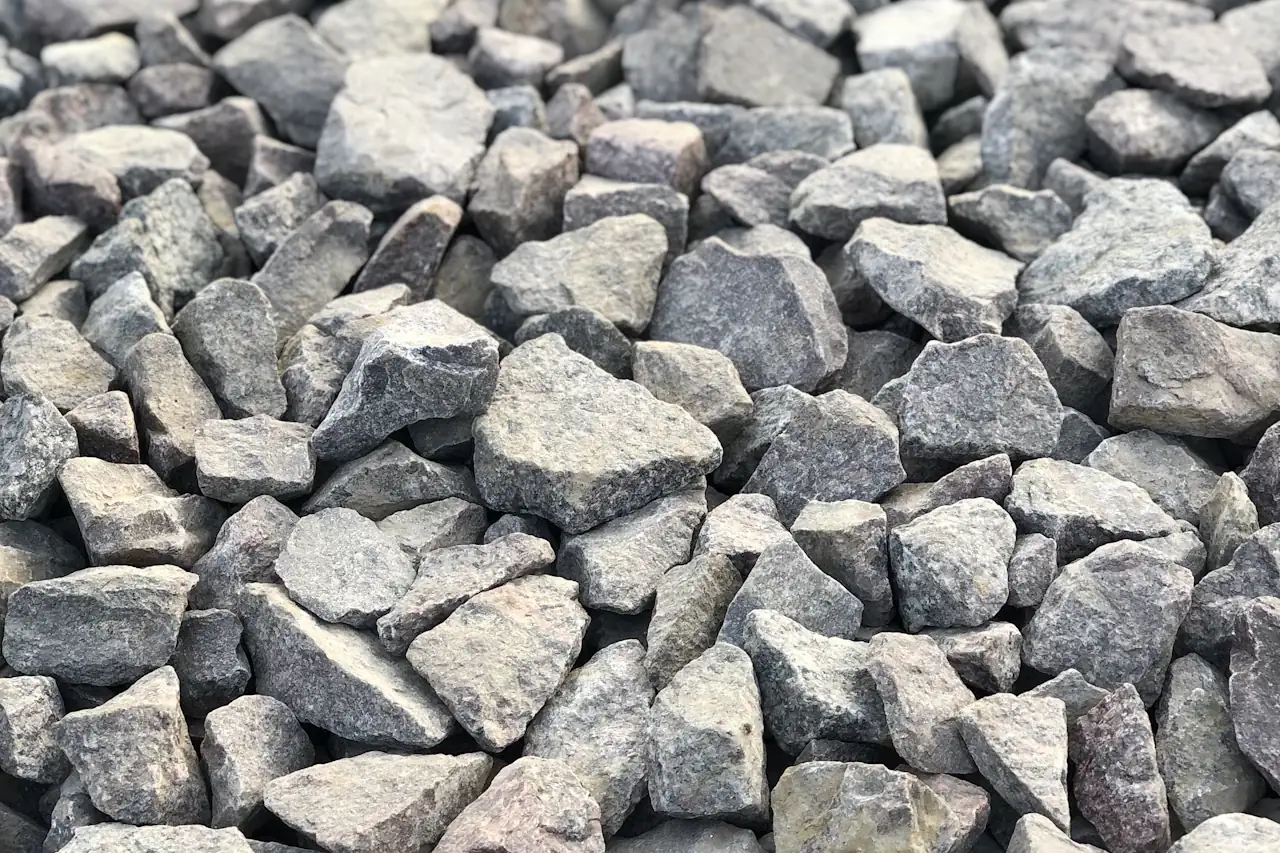
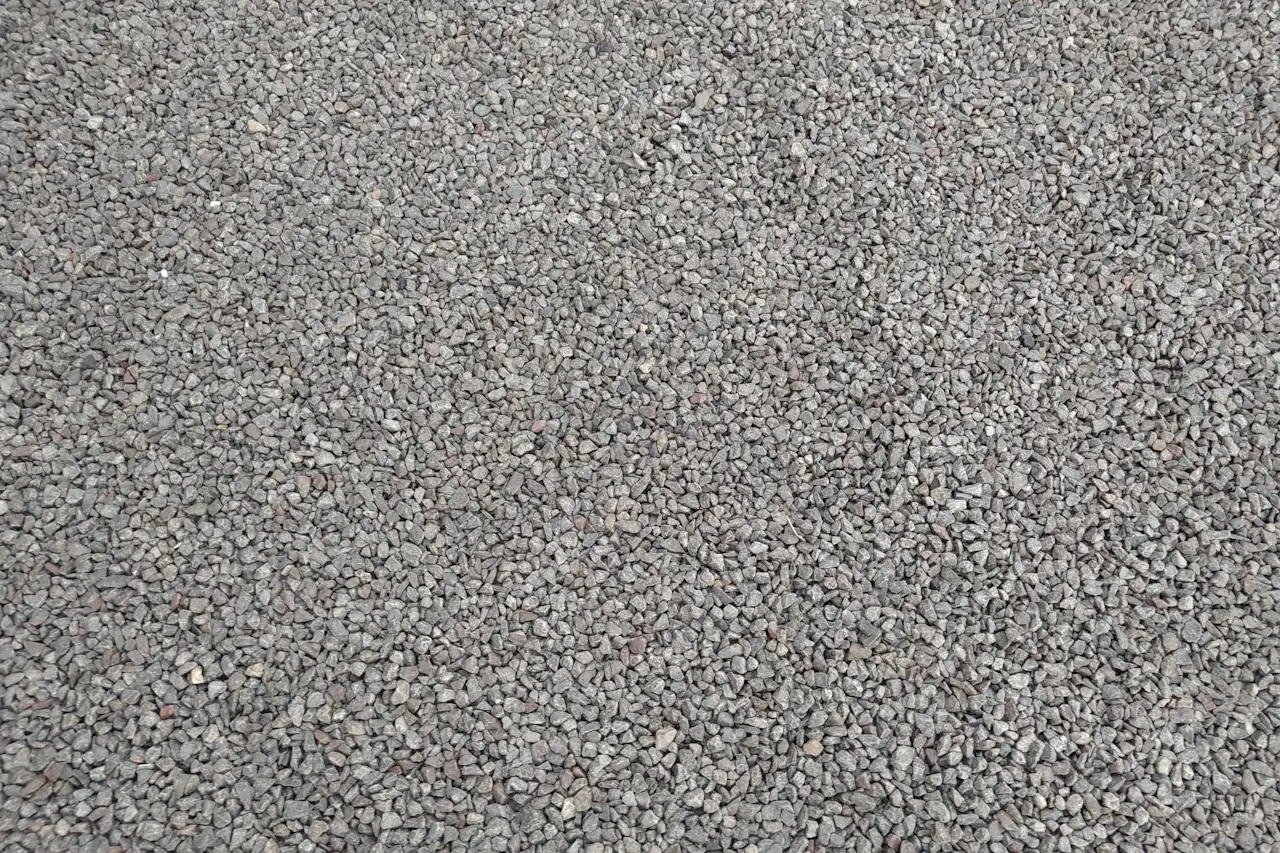
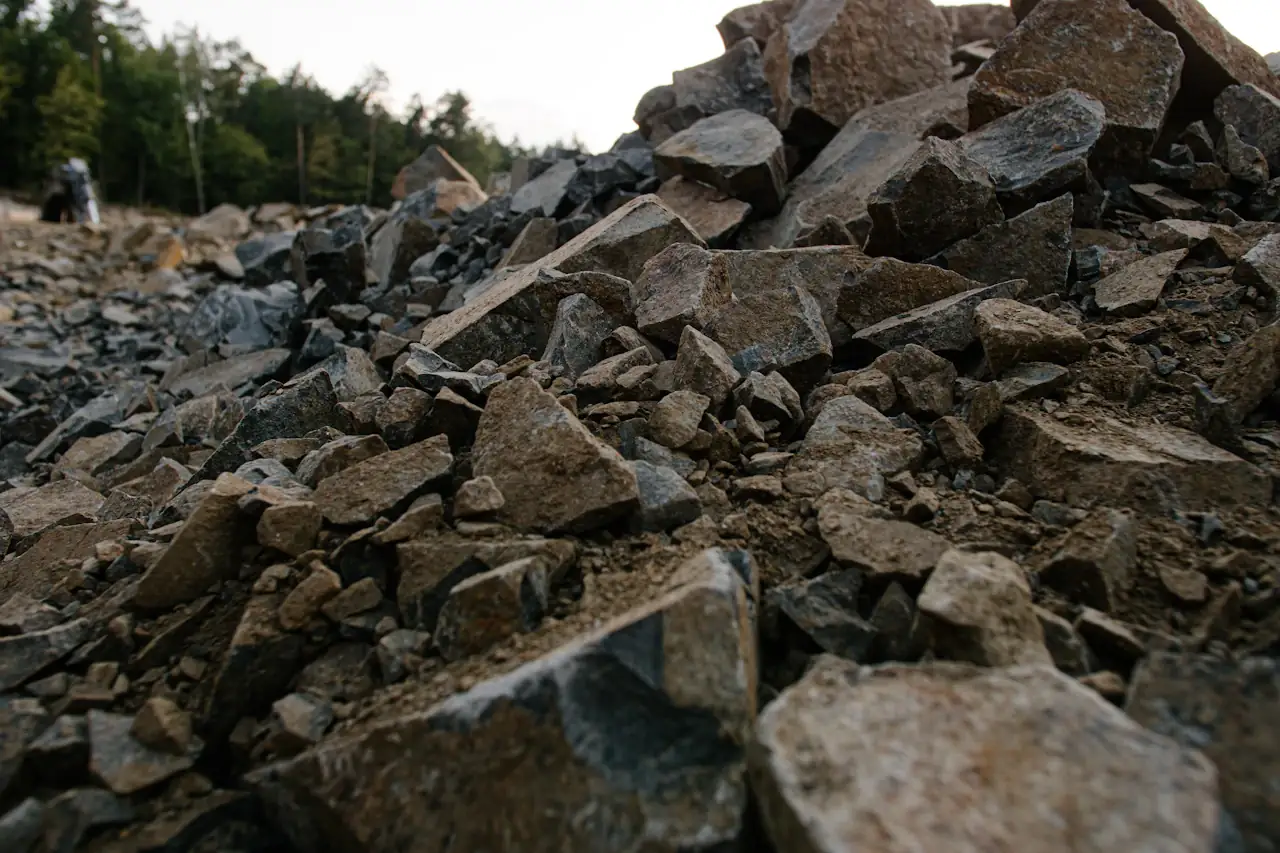
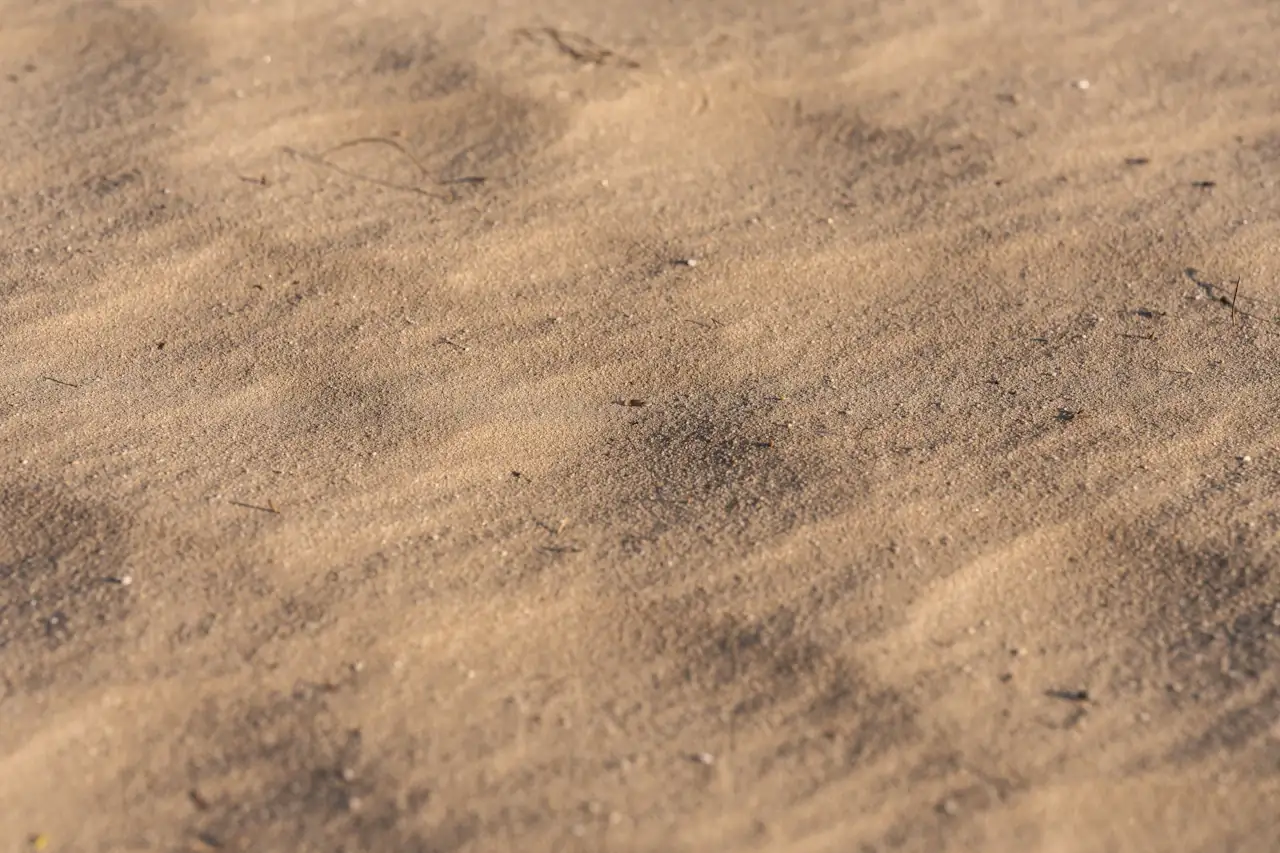
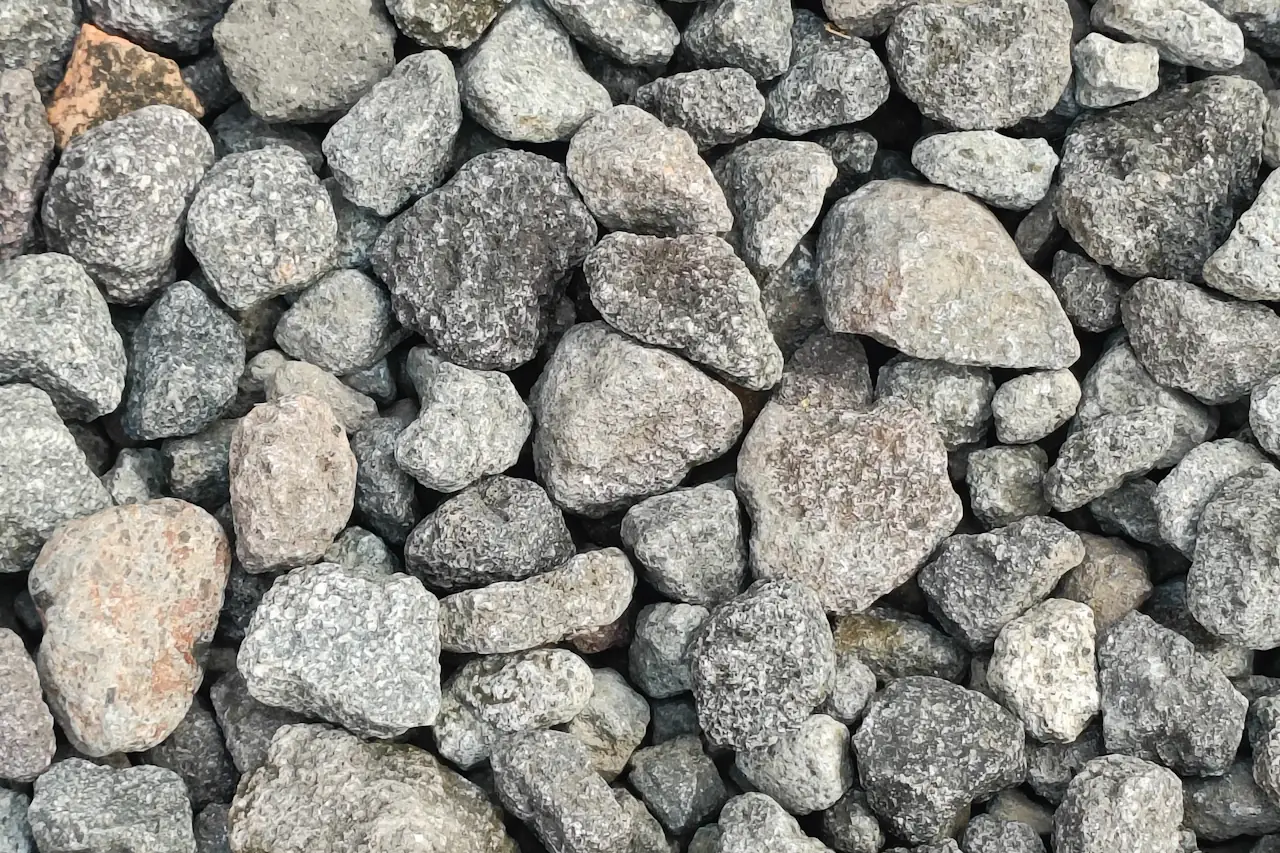
Sand and gravel are classified by size, origin and particle shape. Learn the boundary between fine and coarse aggregate and the criteria for choosing materials.
Knowledge
Technical guides on selecting, processing and evaluating aggregates.
28 articles
Sand and gravel are classified by size, origin and particle shape. Learn the boundary between fine and coarse aggregate and the criteria for choosing materials.
Surface moisture in sand changes the water-cement ratio. Learn the moisture states, saturated surface-dry condition and how to correct batch weights and mix water.
Good material can fall out of specification in a poor stockpile. Learn why segregation happens and how to build, load and protect a stockpile.
Some siliceous aggregates react with cement alkalis and crack concrete. Learn the signs, the ASTM tests and the usual ways of managing this risk.
Unsuitable sand leads to cracked, detached plaster. Learn ASTM C144 limits, how fines and clay act, and how to select sand for masonry mortar and plaster.
The weight and volume of materials change with compaction and moisture. Learn bulk density, the bulking of damp sand and how to estimate sand and gravel quantities.
A drainage layer must pass water and hold back soil. Learn Terzaghi's filter criteria, material cleanliness and how to place French drains and geotextiles.
Stone dust affects worker health and the surrounding area. Learn the main dust sources, misting and extraction, haul road control and protective equipment.
Crushed sand carries stone dust, which is not the same as clay. Learn the ASTM C33 limit, the methylene blue test and how production controls fines.
Flat and elongated particles reduce compaction and workability and break under load. Learn how they are measured, what they do and how production reduces them.
Maximum gravel size depends on member dimensions, bar spacing and placement method. Learn the common rules and how this choice affects cement use and workability.
A grading curve shows how particle sizes are distributed. Learn continuous, gap and uniform grading and the coefficients of uniformity and curvature.
Mineral filler forms a mortar with bitumen that decides asphalt stability. Learn ASTM D242 limits, the dust-to-binder ratio and how filler type affects a mix.
An exact order prevents rejected loads and site stoppages. A practical list of what a sand and gravel inquiry needs, from application to delivery.
Crushing old concrete reduces quarrying and waste. Learn the properties of recycled aggregate, its higher absorption, suitable uses and how to control its quality.
Riprap stability depends on stone size, durability and the filter layer. Learn how flow velocity relates to stone weight, what the filter does and how to place it.
A vibrating screen turns crusher output into separate products. Learn what affects screen efficiency, the main media types and common problems such as blinding.
The Los Angeles test measures aggregate resistance to abrasion and impact. Learn ASTM C131 and C535, how percent loss is calculated and what it means.
Sand equivalent shows the ratio of sand to clay-like fines by a quick method. Learn the ASTM D2419 procedure, the calculation and the limits of interpreting it.
Each crusher breaks rock by a different mechanism. Learn jaw, cone, impact and VSI crushers and how they affect particle shape and product grading.
A guide to common aggregate tests, including grading, sand equivalent, Los Angeles abrasion, soundness and absorption, and how to interpret their results.
Washing separates clay, silt and stone dust from aggregate. Learn how this stage affects concrete, what equipment is common, and how water and sludge are managed.
Base and subbase layers spread traffic loads into the subgrade. Learn how the two layers differ, what their materials need and the key points of placing them.
Aggregate forms the main part of an asphalt mix. Learn how fractured faces, hardness, cleanliness and adhesion to bitumen shape asphalt performance.
Natural and crushed sand compared on particle shape, water demand, workability and strength, with selection notes for concrete, mortar and asphalt.
The aggregates industry faces limited natural resources and tighter environmental rules. Review the main responses, from crushed sand to recycling and water reuse.
Operating a stone quarry is a multi-stage process. Review exploration, planning, benched extraction, haulage and restoration of the land.
Fineness modulus is a simple indicator of how coarse or fine a sand is. See the calculation with a worked example, ASTM C33 limits and its effect on mix design.
Record the material type, approximate volume and delivery location so availability and terms can be reviewed.