Mineral Filler in Asphalt: Role, Grading Limits and Dust-to-Binder Ratio
Mineral filler forms a mortar with bitumen that decides asphalt stability. Learn ASTM D242 limits, the dust-to-binder ratio and how filler type affects a mix.
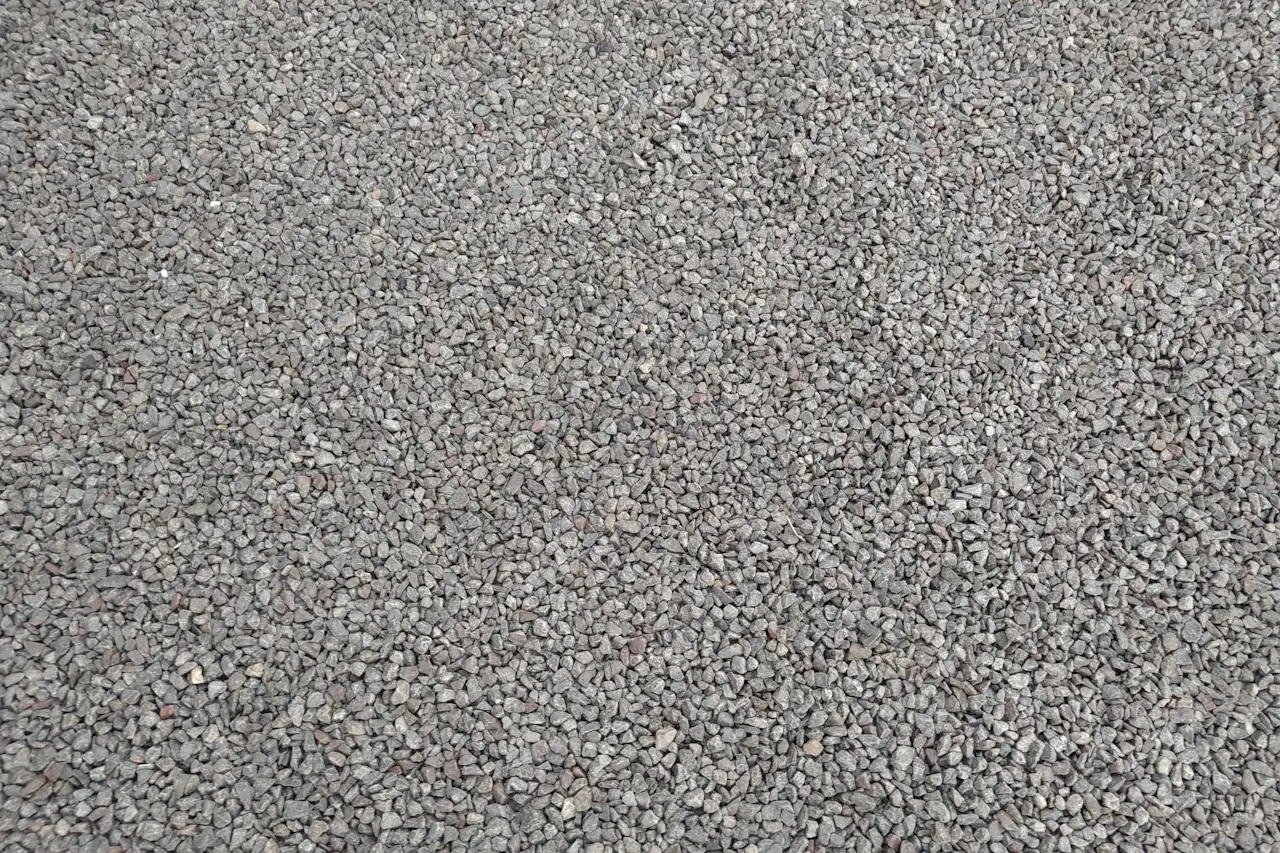
Mineral Filler
Very fine mineral filler for asphalt mixes and industrial uses.
Passing the 600 µm sieve
Mineral filler fills the voids between particles and forms a stiffer mortar with bitumen. This helps the stability of the asphalt mix and reduces its moisture sensitivity.
Dryness and freedom from lumps are essential for even distribution in a mix, and the chemistry of the source rock must suit the intended use.
| Method | Test |
|---|---|
| ASTM C136 | Sieve analysis |
| ASTM C117 | Material finer than the 75 µm sieve |
Reference gradingASTM D242
Limits on percent passing each sieve, based on ASTM D242. These are limits from the reference standard, not test results from a shipment. The current edition of the standard and the project specification are the final authority.
Related productsRelated
Related articlesRead more Read more
Mineral filler forms a mortar with bitumen that decides asphalt stability. Learn ASTM D242 limits, the dust-to-binder ratio and how filler type affects a mix.
Aggregate forms the main part of an asphalt mix. Learn how fractured faces, hardness, cleanliness and adhesion to bitumen shape asphalt performance.
The grading on offer, stock and supply terms for this product are confirmed at the time of inquiry.