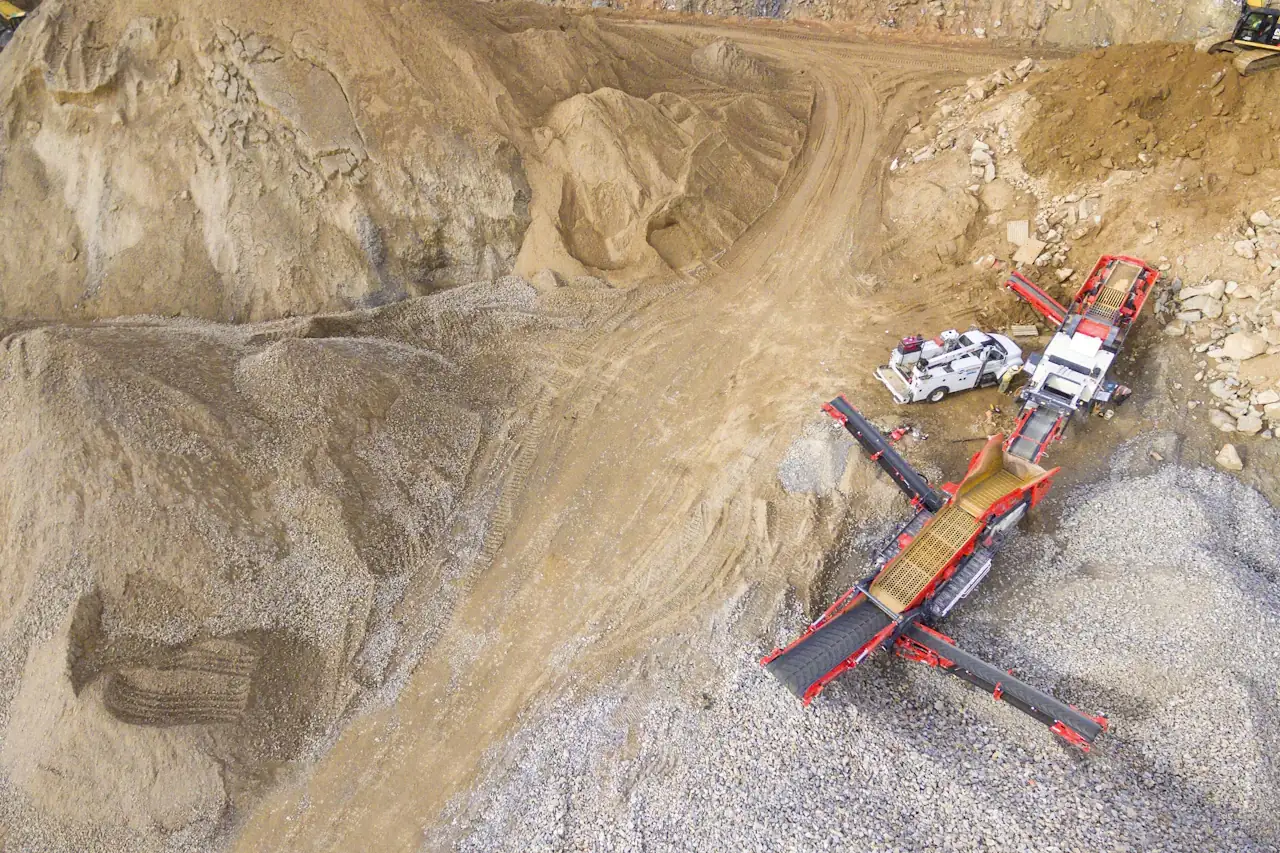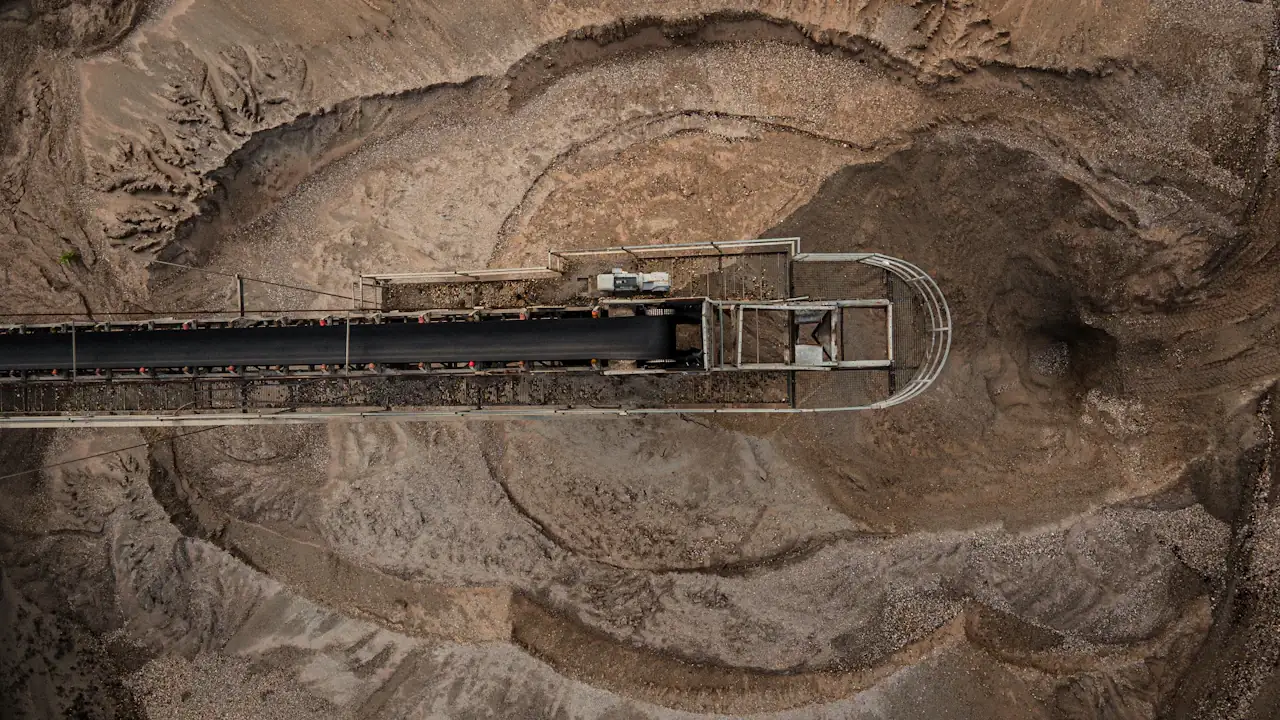
Aggregate Stockpiles: How to Prevent Segregation and Contamination
Good material can fall out of specification in a poor stockpile. Learn why segregation happens and how to build, load and protect a stockpile.
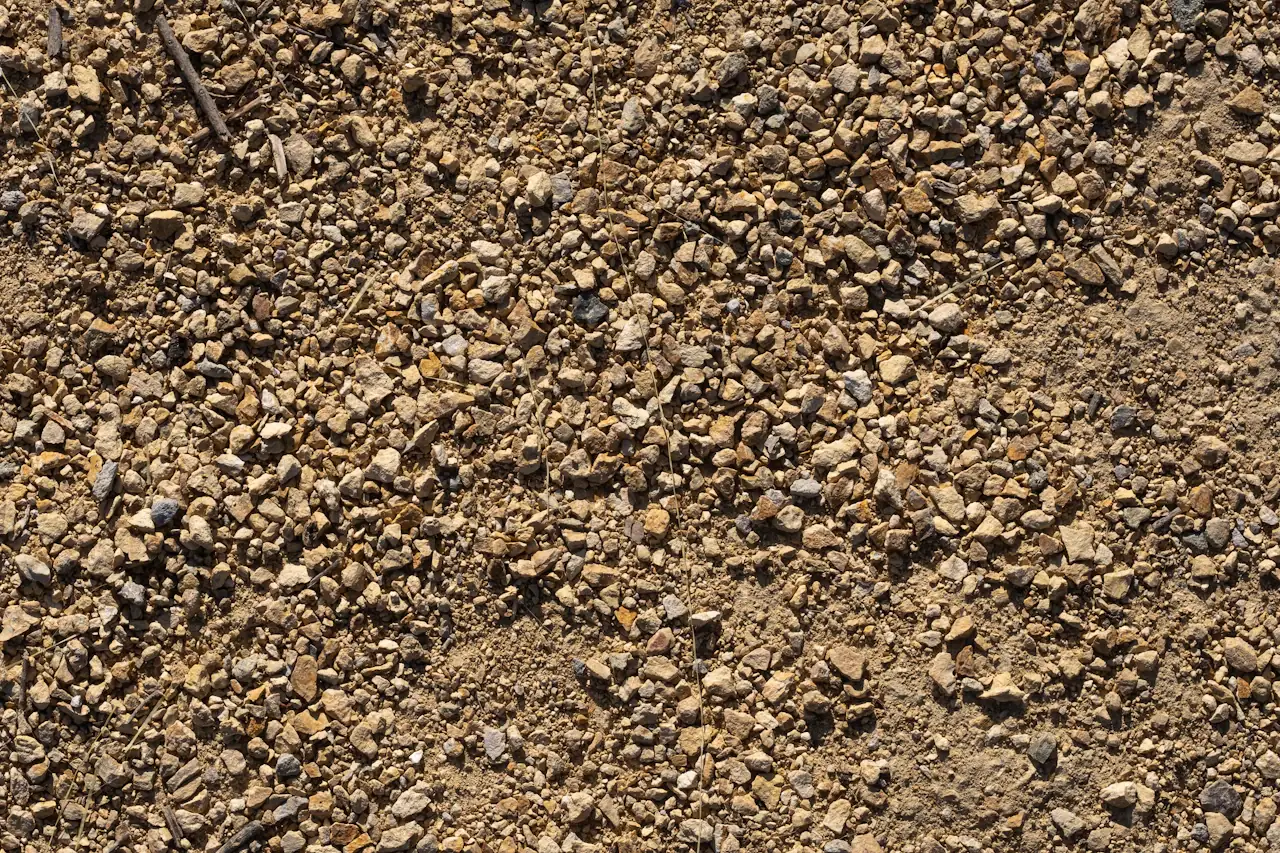
Base Course
Continuously graded crushed mix for the load-bearing layer under the surface.
Based on pavement design
The base layer sits directly under the asphalt or concrete surface and carries the highest traffic stress of the granular layers. This is why fractured faces and rock quality matter so much here.
Continuous grading makes high density achievable, and limiting plasticity prevents loss of bearing capacity in the presence of moisture.
| Method | Test |
|---|---|
| ASTM C136 | Sieve analysis |
| ASTM C131 | Los Angeles abrasion |
| ASTM D5821 | Fractured faces |
Related productsRelated
Related articlesRead more Read more
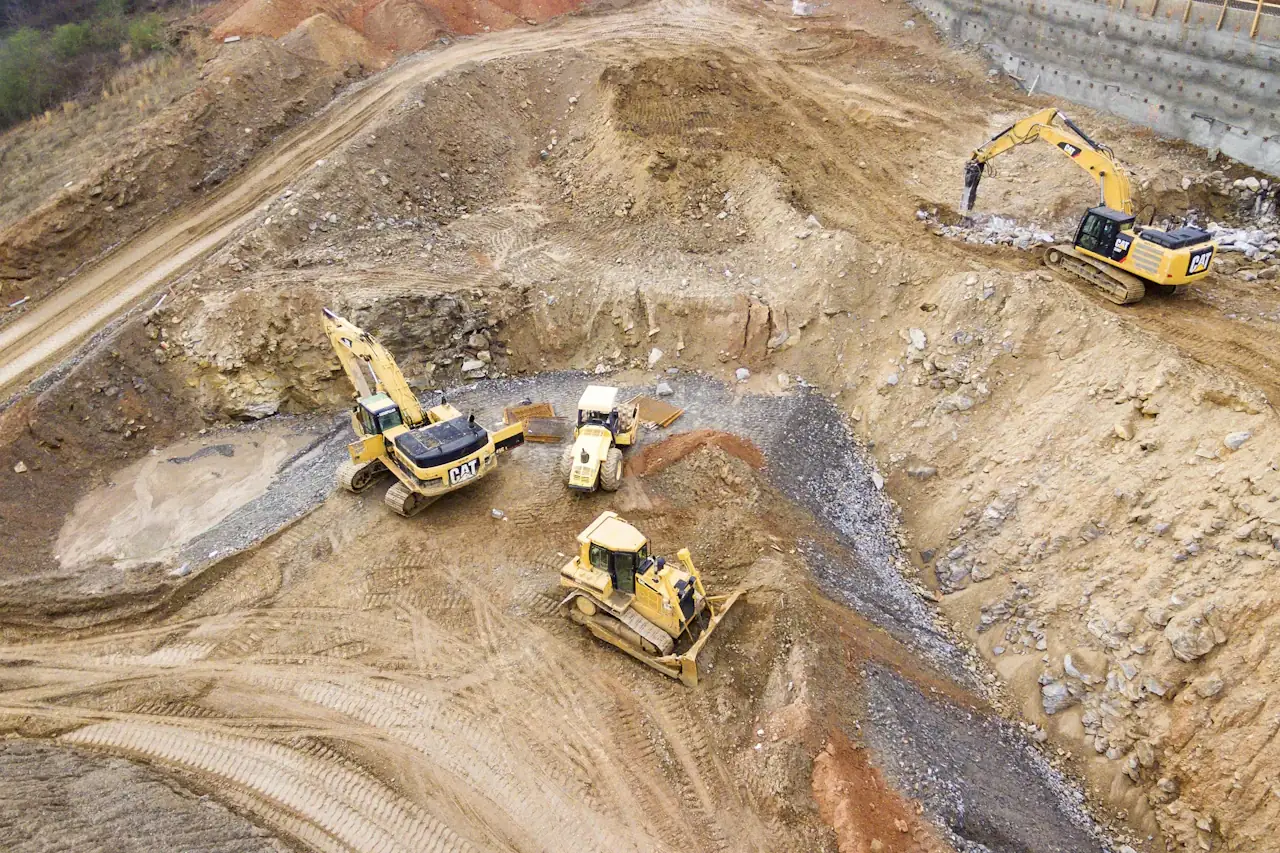
Good material can fall out of specification in a poor stockpile. Learn why segregation happens and how to build, load and protect a stockpile.
The weight and volume of materials change with compaction and moisture. Learn bulk density, the bulking of damp sand and how to estimate sand and gravel quantities.
Flat and elongated particles reduce compaction and workability and break under load. Learn how they are measured, what they do and how production reduces them.
A grading curve shows how particle sizes are distributed. Learn continuous, gap and uniform grading and the coefficients of uniformity and curvature.
An exact order prevents rejected loads and site stoppages. A practical list of what a sand and gravel inquiry needs, from application to delivery.
Crushing old concrete reduces quarrying and waste. Learn the properties of recycled aggregate, its higher absorption, suitable uses and how to control its quality.
The grading on offer, stock and supply terms for this product are confirmed at the time of inquiry.