Choosing Sand for Mortar and Plaster: Cracking, Adhesion and Workability
Unsuitable sand leads to cracked, detached plaster. Learn ASTM C144 limits, how fines and clay act, and how to select sand for masonry mortar and plaster.
Building & Mortar
In masonry and finishing work, sand grading decides workability and the quality of the final surface.
Mortar and plaster are applied in thin layers, so they need a fine aggregate with balanced grading. Unsuitable sand leads to shrinkage, cracking and poor adhesion to the substrate.
Keeping to mortar sand grading limits and avoiding clayey fines keeps work consistent across large surfaces.
Selection criteriaWhat matters
Fine, balanced grading for easy spreading of mortar.
No clay or organic matter, for a reliable bond with the substrate.
A suitable share of fines to reduce shrinkage after drying.
Related productsMaterials
Related articlesRead more Read more
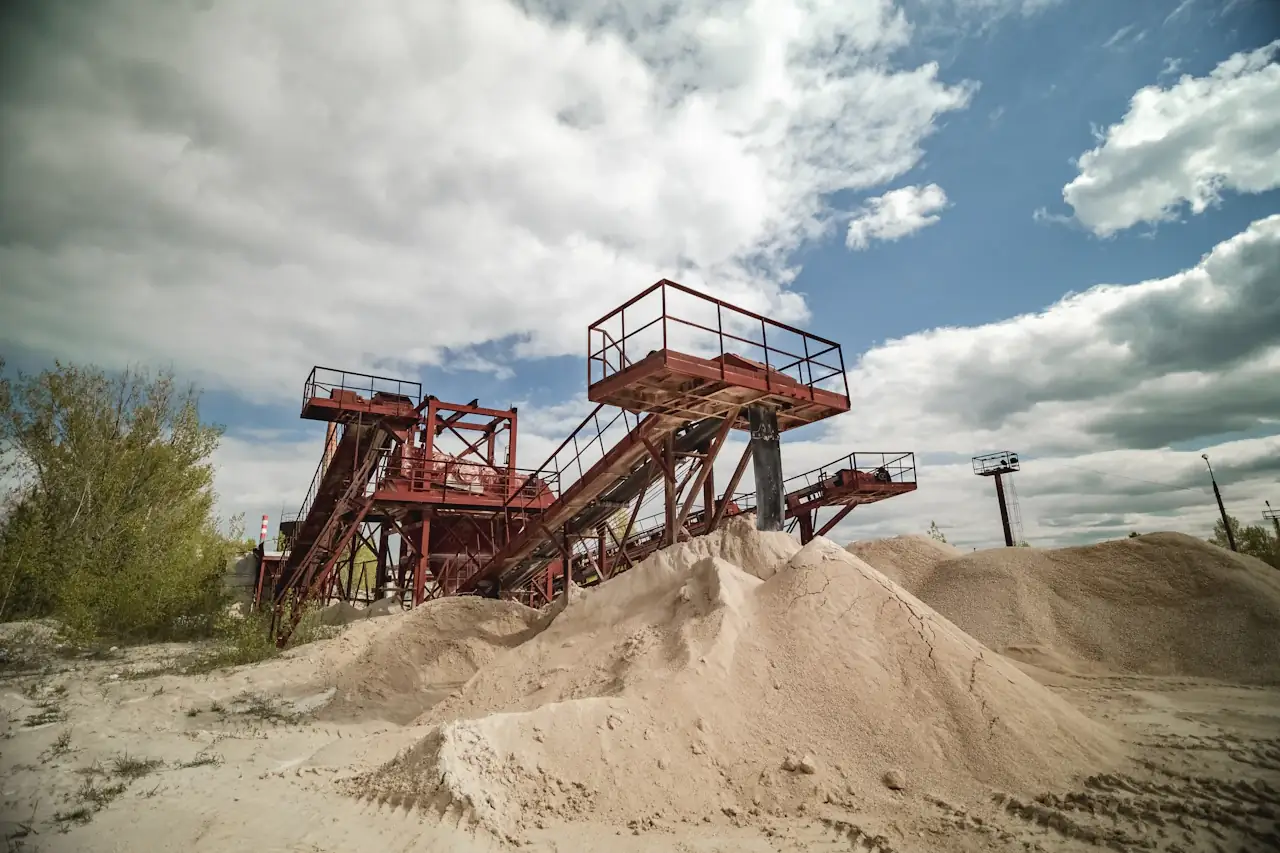
Unsuitable sand leads to cracked, detached plaster. Learn ASTM C144 limits, how fines and clay act, and how to select sand for masonry mortar and plaster.
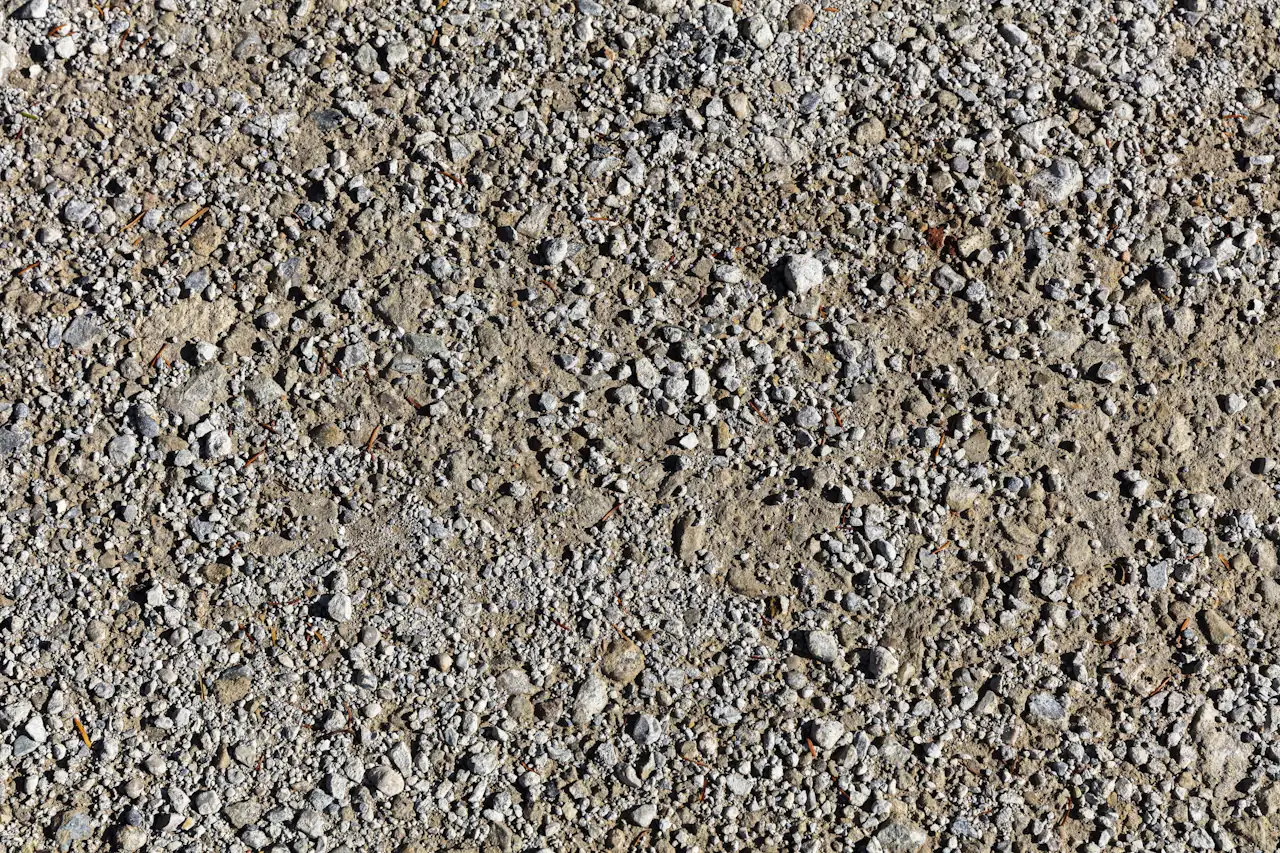
Sand and gravel are classified by size, origin and particle shape. Learn the boundary between fine and coarse aggregate and the criteria for choosing materials.
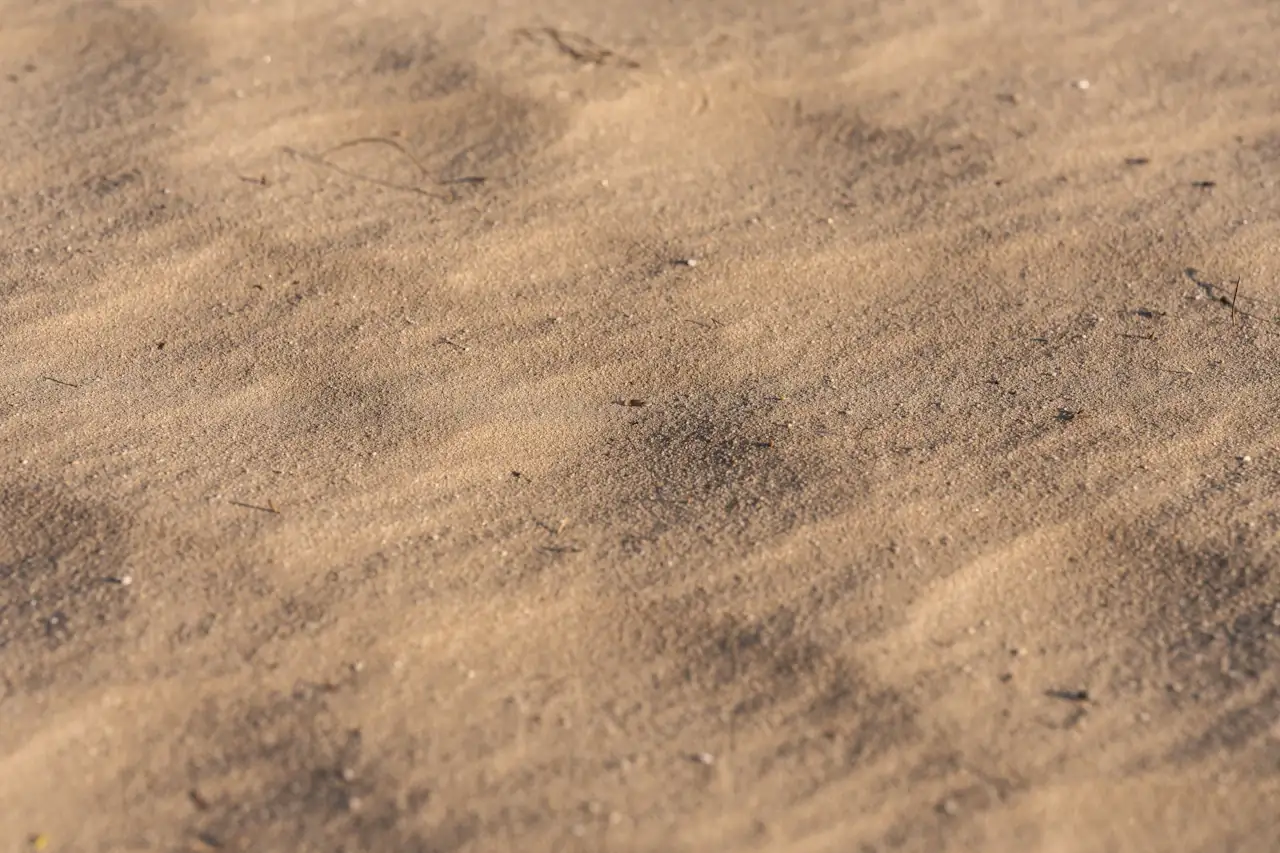
Natural and crushed sand compared on particle shape, water demand, workability and strength, with selection notes for concrete, mortar and asphalt.
Record the material type, approximate volume and delivery location so availability and terms can be reviewed.