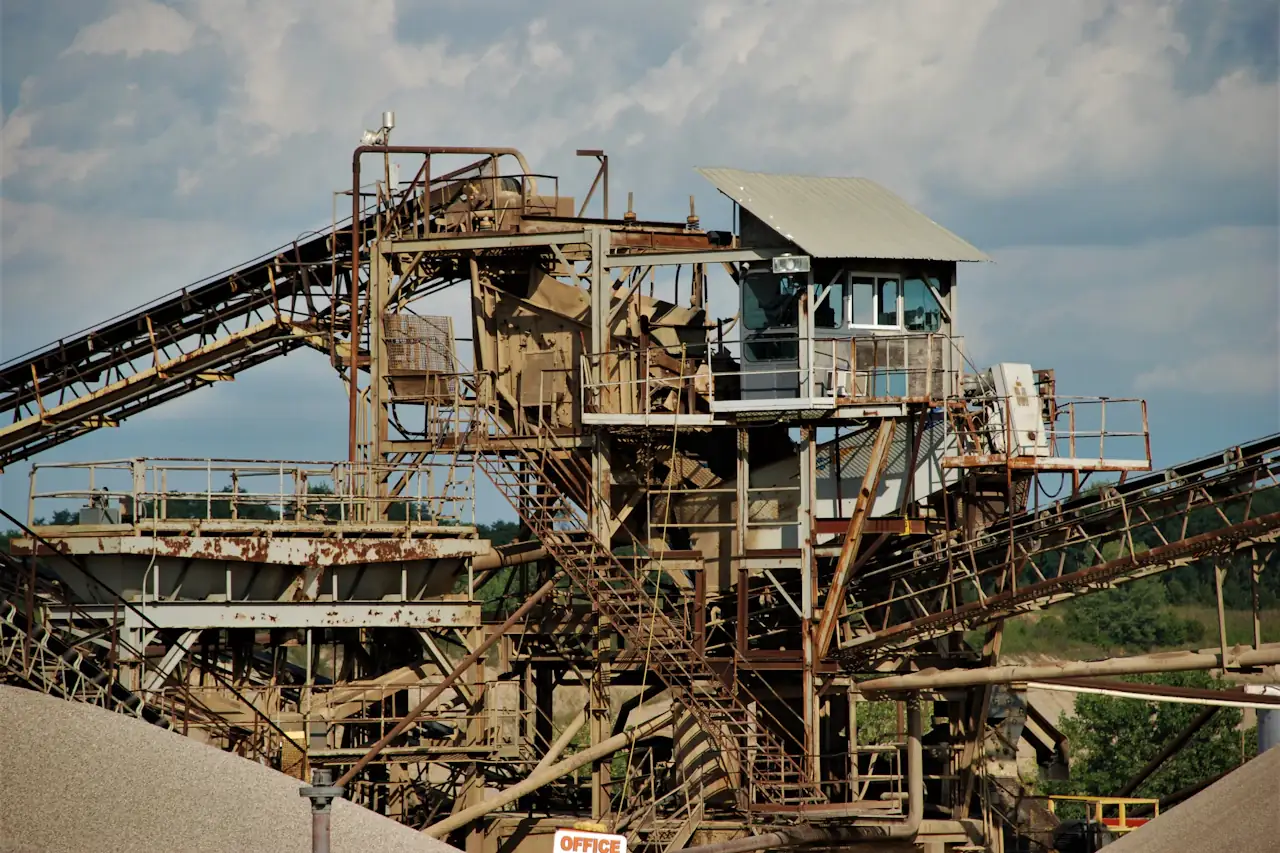
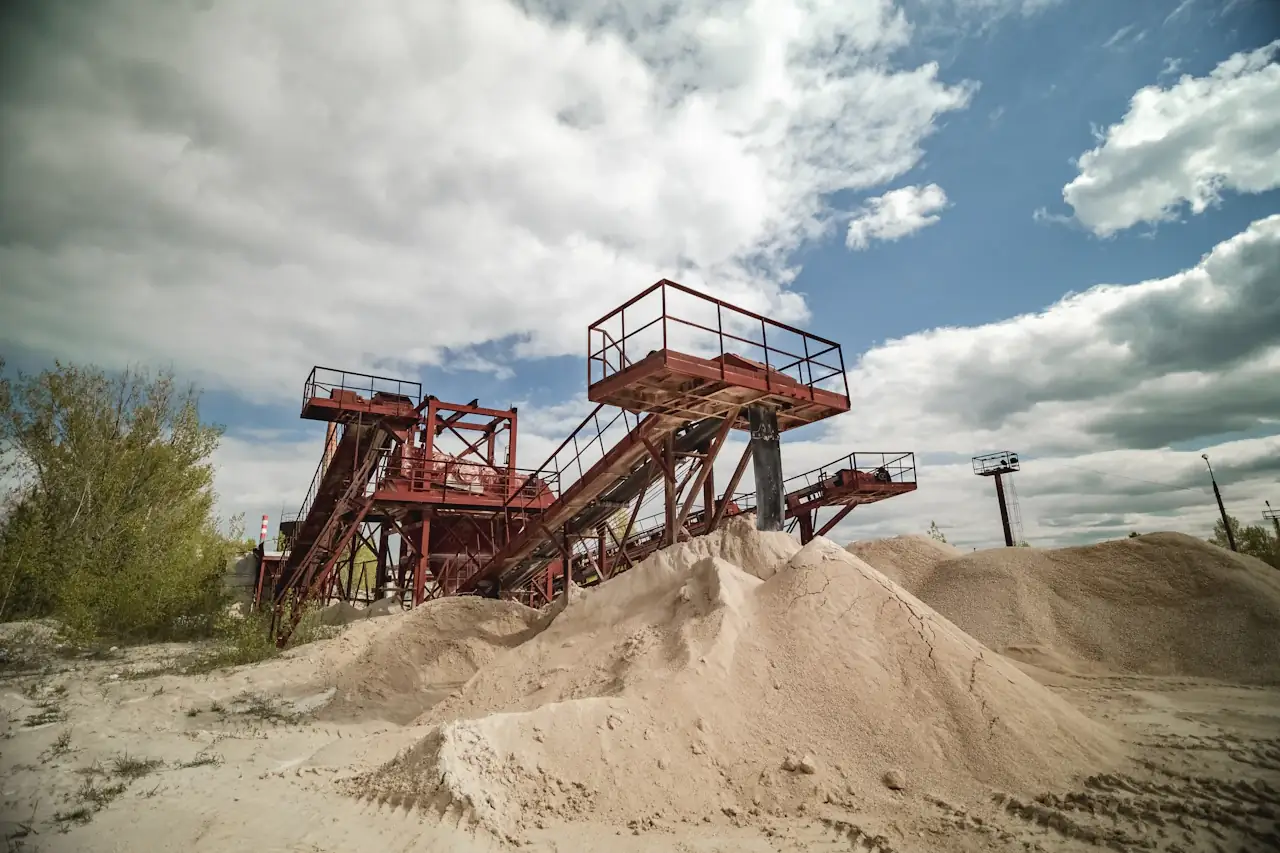
Drainage and Filter Materials: Selection Criteria and Terzaghi's Rule
A drainage layer must pass water and hold back soil. Learn Terzaghi's filter criteria, material cleanliness and how to place French drains and geotextiles.
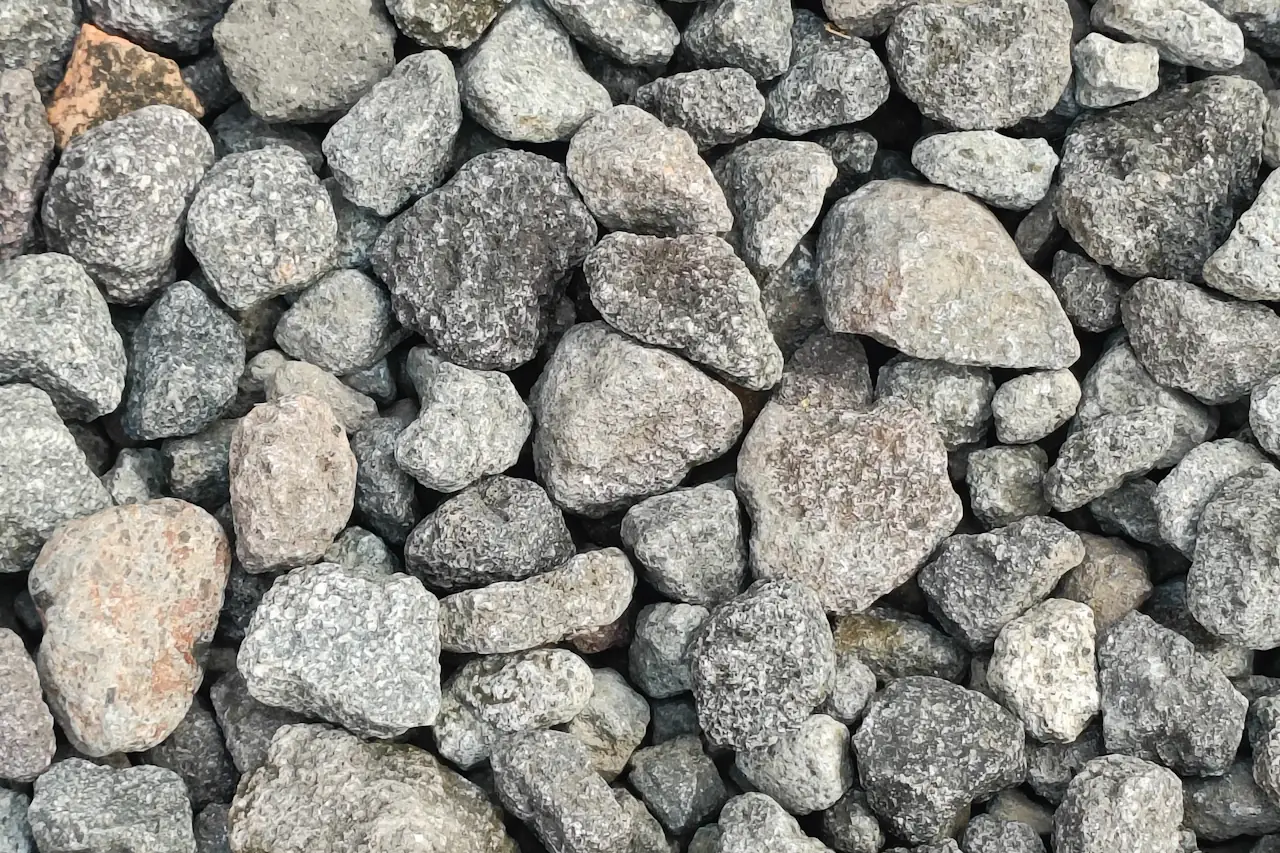
Washed Crushed Gravel 9.5–19
Washed coarse aggregate in a narrow size range for controlled mix designs.
9.5–19 mm
Separating coarse aggregate into narrow ranges lets the designer tune the combined grading curve more accurately. This reduces segregation and improves concrete uniformity.
Washing this product removes surface dust from the particles and improves bond with cement paste.
| Method | Test |
|---|---|
| ASTM C136 | Sieve analysis |
| ASTM C117 | Material finer than the 75 µm sieve |
| ASTM C131 | Los Angeles abrasion |
Related productsRelated
Related articlesRead more Read more
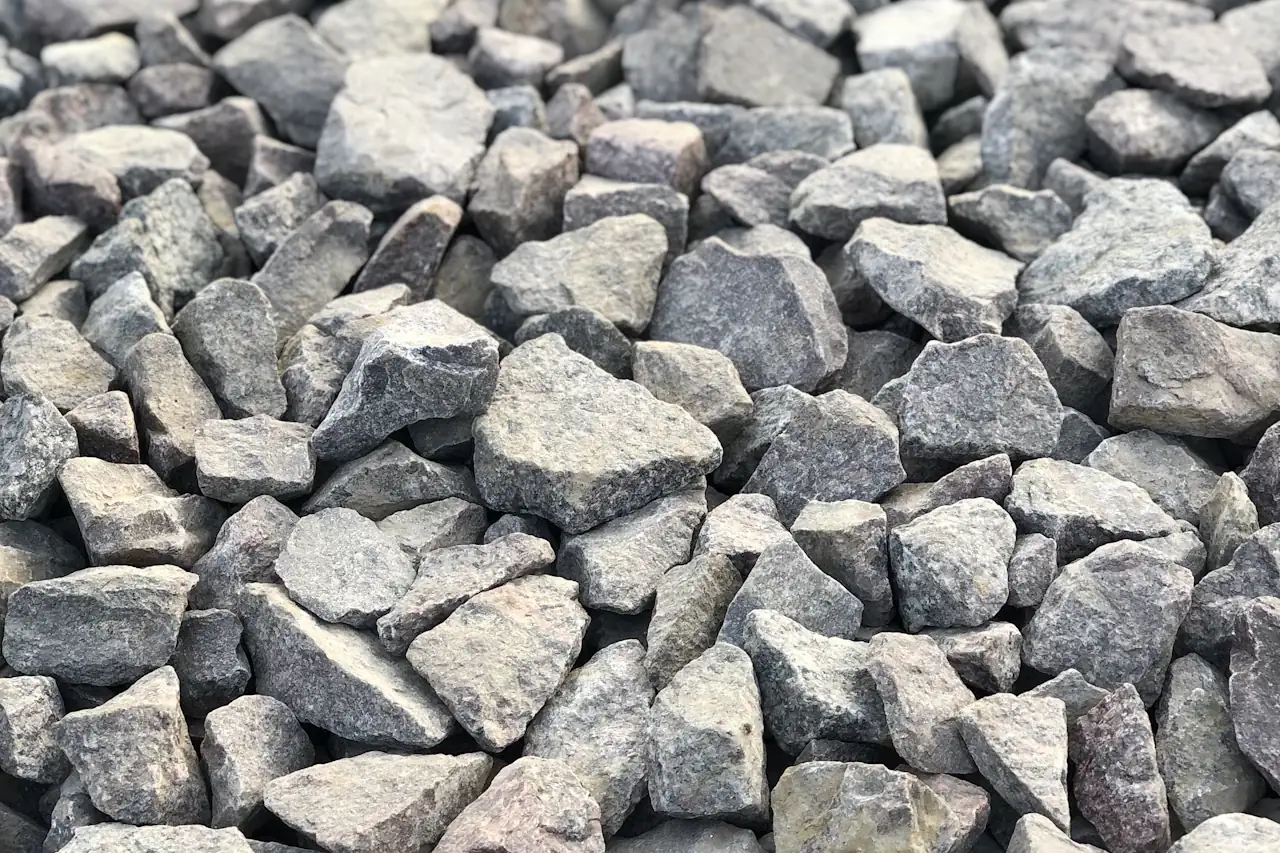
A drainage layer must pass water and hold back soil. Learn Terzaghi's filter criteria, material cleanliness and how to place French drains and geotextiles.
Flat and elongated particles reduce compaction and workability and break under load. Learn how they are measured, what they do and how production reduces them.
Maximum gravel size depends on member dimensions, bar spacing and placement method. Learn the common rules and how this choice affects cement use and workability.
A vibrating screen turns crusher output into separate products. Learn what affects screen efficiency, the main media types and common problems such as blinding.
The Los Angeles test measures aggregate resistance to abrasion and impact. Learn ASTM C131 and C535, how percent loss is calculated and what it means.
Washing separates clay, silt and stone dust from aggregate. Learn how this stage affects concrete, what equipment is common, and how water and sludge are managed.
The grading on offer, stock and supply terms for this product are confirmed at the time of inquiry.