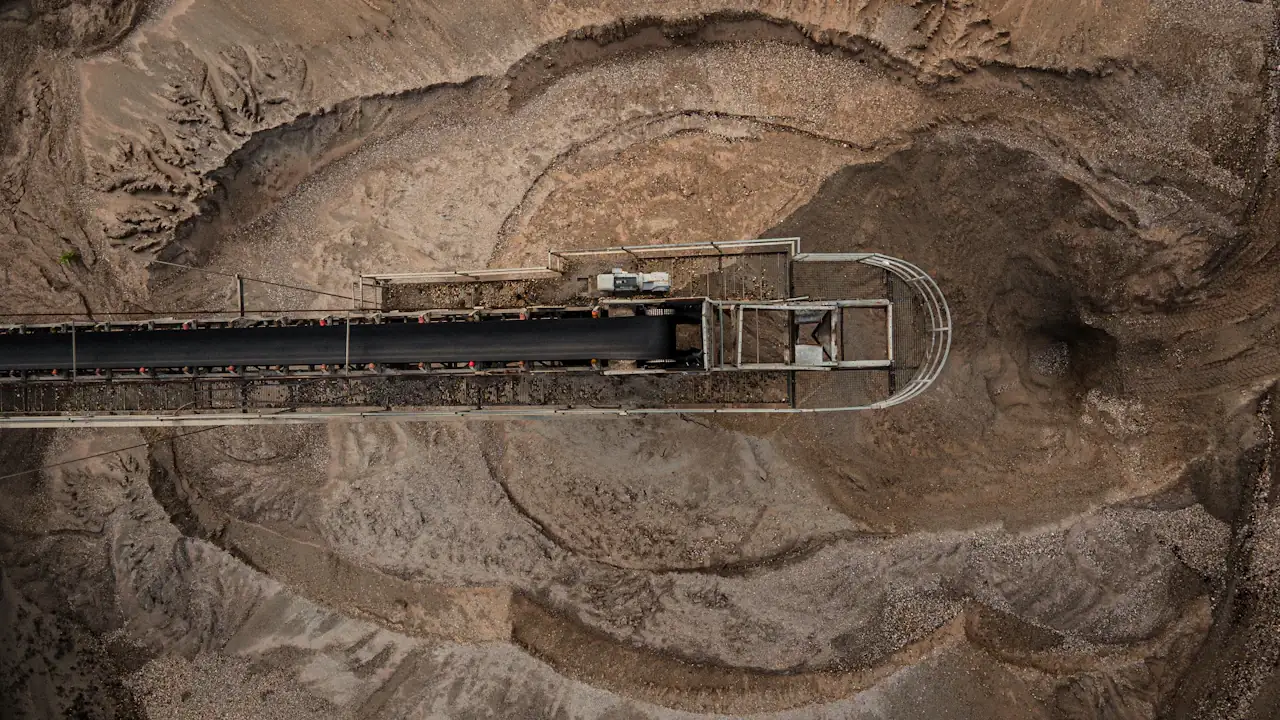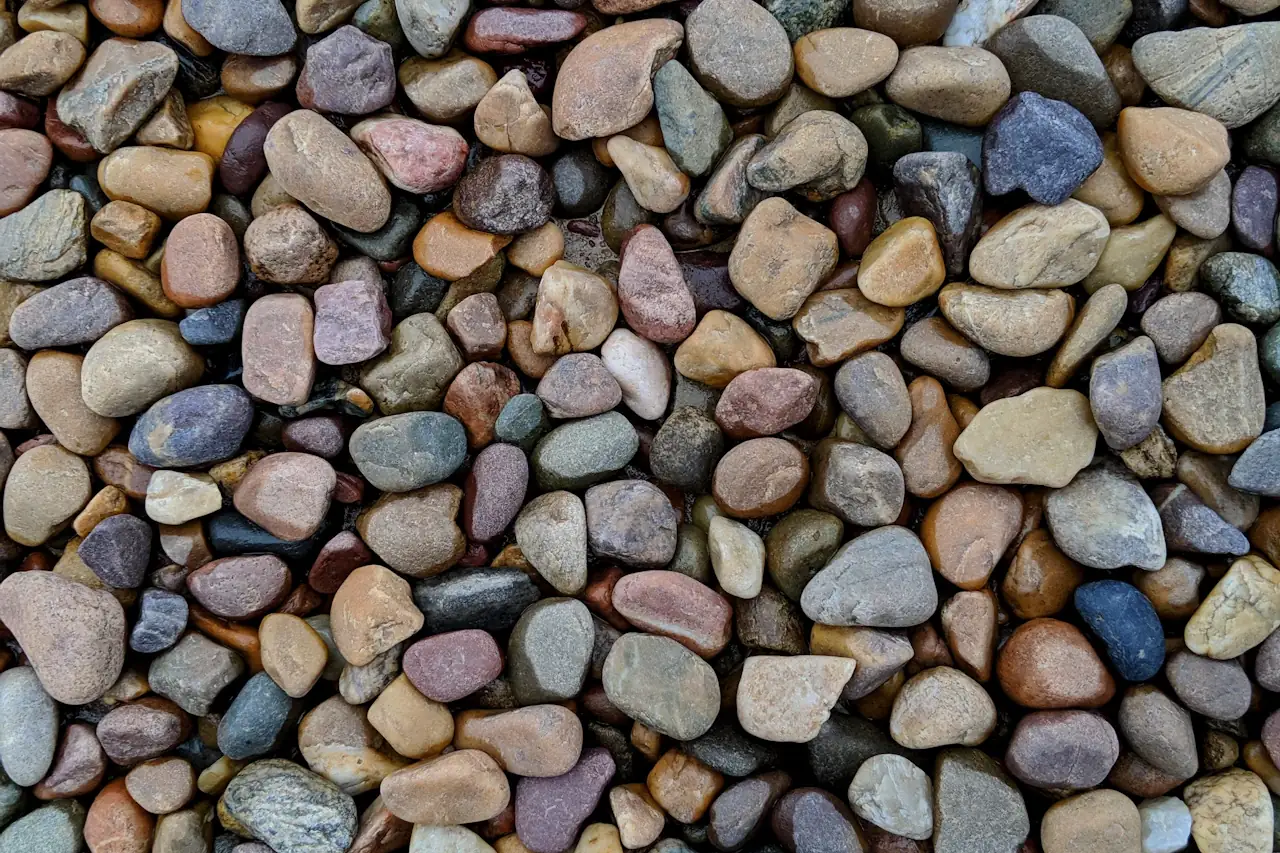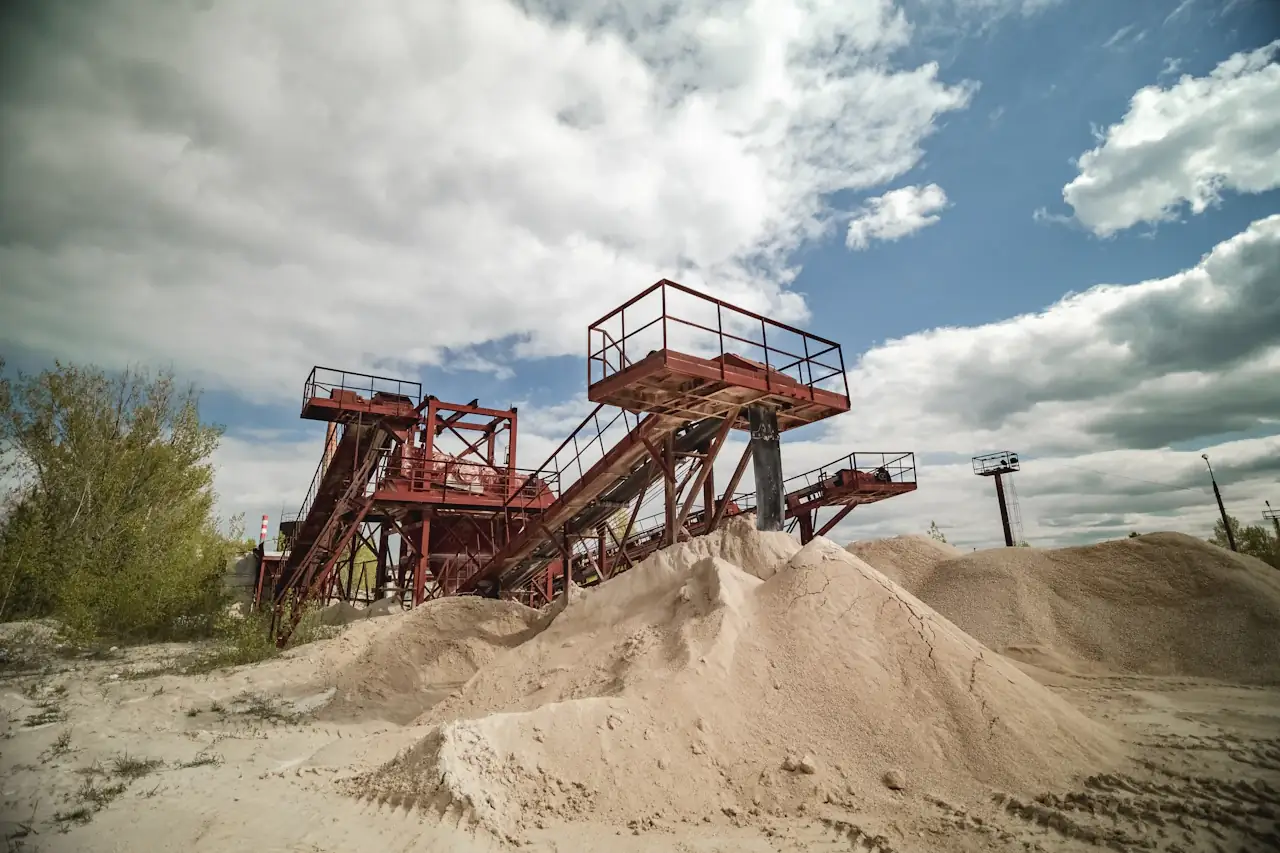
Aggregate Washing: Why Is Washed Material Better?
Washing separates clay, silt and stone dust from aggregate. Learn how this stage affects concrete, what equipment is common, and how water and sludge are managed.
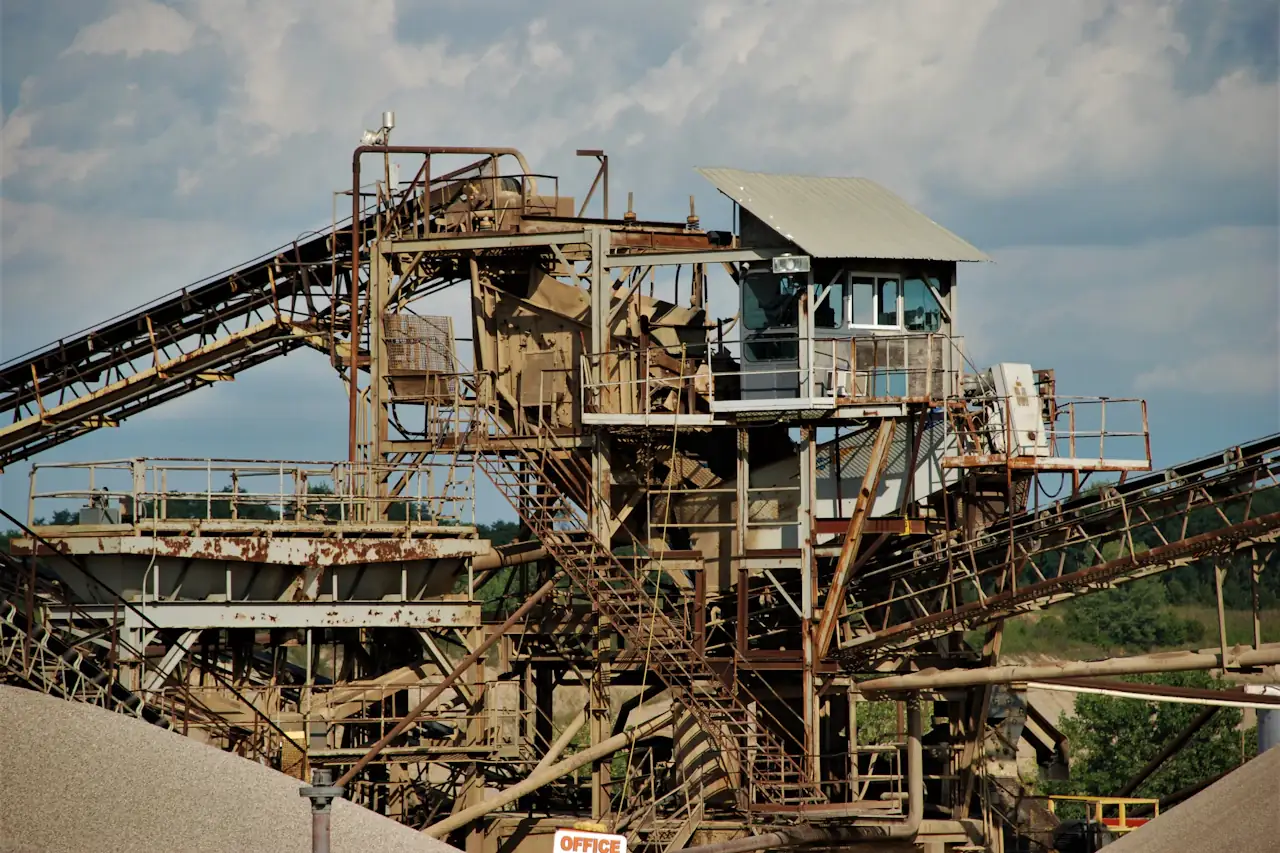
A vibrating screen turns crusher output into separate products. Learn what affects screen efficiency, the main media types and common problems such as blinding.
Crusher output is a mix of sizes. Screening turns it into separate classes, and the grading of the product reaching a stockpile largely results from how well this stage works.
A vibrating screen spreads material over the deck. Coarse particles rise to the top and fine particles work down to the deck to pass through the openings. Multi-deck screens make several products at once.
Woven steel wire is widely used and economical. Polyurethane and rubber media last longer in abrasive materials and reduce blinding but have less open area.
| Problem | Result | Where to check |
|---|---|---|
| Fines in coarse product | Out of grading limits | Feed rate and washing |
| Oversize in fine product | Contaminated class | Torn media |
| Blinded openings | Lower capacity | Moisture and media type |
Torn media may go unseen for hours yet contaminates every load. Regular sampling and comparing the grading curve reveal the problem early. After screening, keeping the grading depends on stockpiling correctly.
Related products
Related articlesRelated
Washing separates clay, silt and stone dust from aggregate. Learn how this stage affects concrete, what equipment is common, and how water and sludge are managed.
Good material can fall out of specification in a poor stockpile. Learn why segregation happens and how to build, load and protect a stockpile.
A drainage layer must pass water and hold back soil. Learn Terzaghi's filter criteria, material cleanliness and how to place French drains and geotextiles.
Record the material type, approximate volume and delivery location so availability and terms can be reviewed.