How to Choose the Maximum Aggregate Size for Concrete
Maximum gravel size depends on member dimensions, bar spacing and placement method. Learn the common rules and how this choice affects cement use and workability.
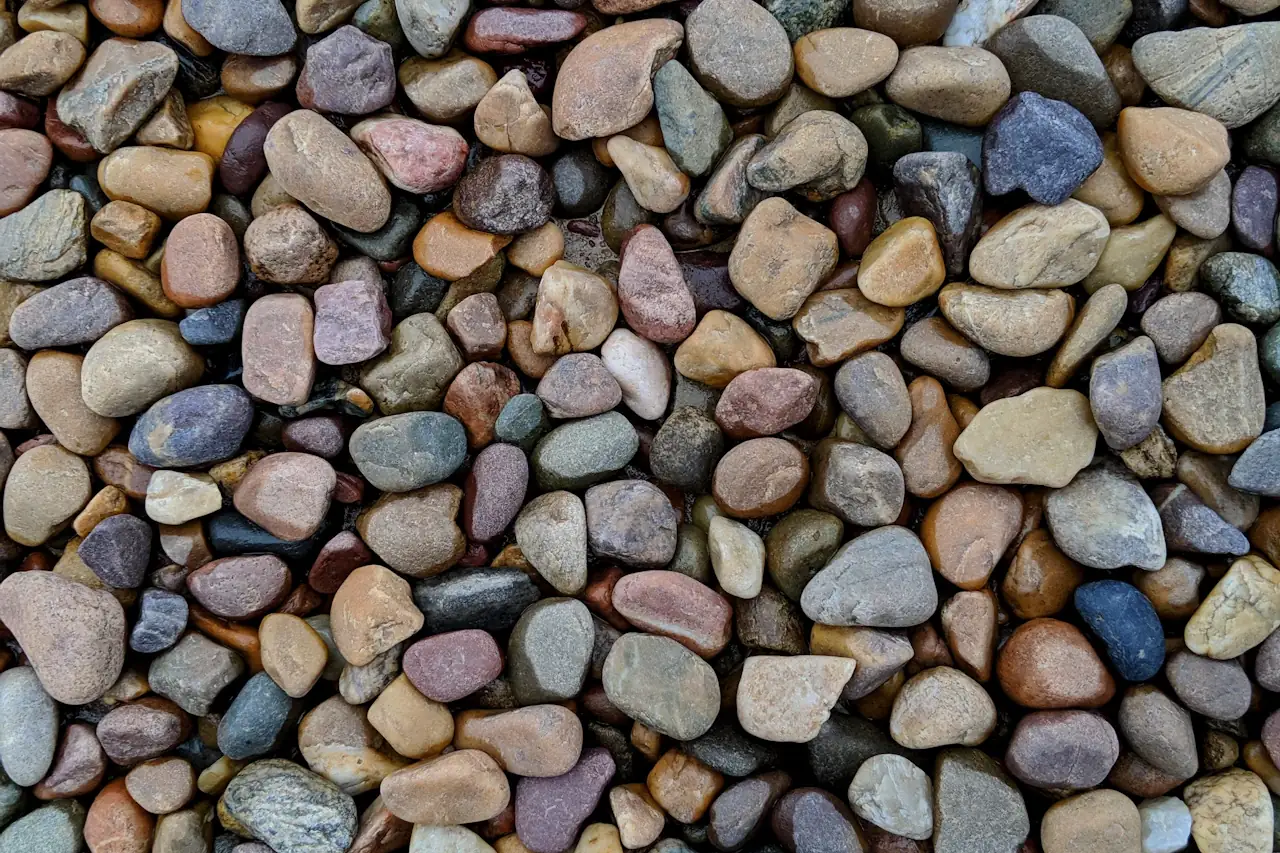
A drainage layer must pass water and hold back soil. Learn Terzaghi's filter criteria, material cleanliness and how to place French drains and geotextiles.
A drainage layer has two apparently opposing jobs: it must pass water easily while holding back particles of the adjacent soil. Striking this balance depends above all on the grading of the material.
Terzaghi’s classic rule for granular filters has two conditions. D15 and D85 are the sizes that 15 and 85 percent of a material passes.
Design guides have refined this rule for different soils, and the designer sets the final grading.
| Property | Reason |
|---|---|
| Clean, low fines | Stops the water path clogging |
| Suitable grading | Provides both retention and flow |
| Durability | Stability in constant contact with water |
Rounded natural gravel and pea gravel are common options for this use.
In trench drains, geotextile is usually wrapped around the gravel to act as the filter. The fabric must suit the adjacent soil, because the wrong fabric clogs. A pipe and suitable fall take collected water to the discharge point.
See the requirements of this field on the Drainage and filtration page.
Related products
Related articlesRelated
Maximum gravel size depends on member dimensions, bar spacing and placement method. Learn the common rules and how this choice affects cement use and workability.
Mineral filler forms a mortar with bitumen that decides asphalt stability. Learn ASTM D242 limits, the dust-to-binder ratio and how filler type affects a mix.
Riprap stability depends on stone size, durability and the filter layer. Learn how flow velocity relates to stone weight, what the filter does and how to place it.
Record the material type, approximate volume and delivery location so availability and terms can be reviewed.