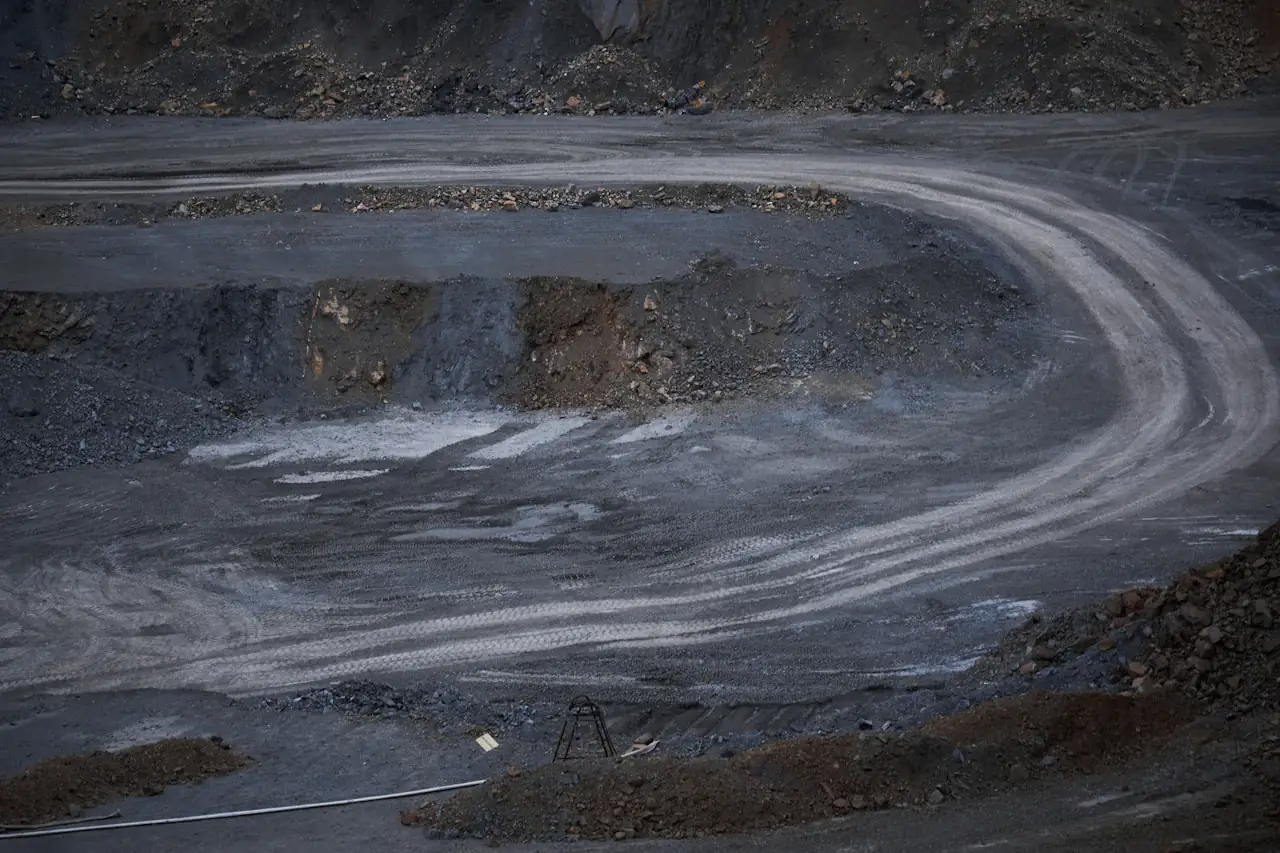
Stages of Operating a Stone Quarry: From Exploration to Land Restoration
Operating a stone quarry is a multi-stage process. Review exploration, planning, benched extraction, haulage and restoration of the land.
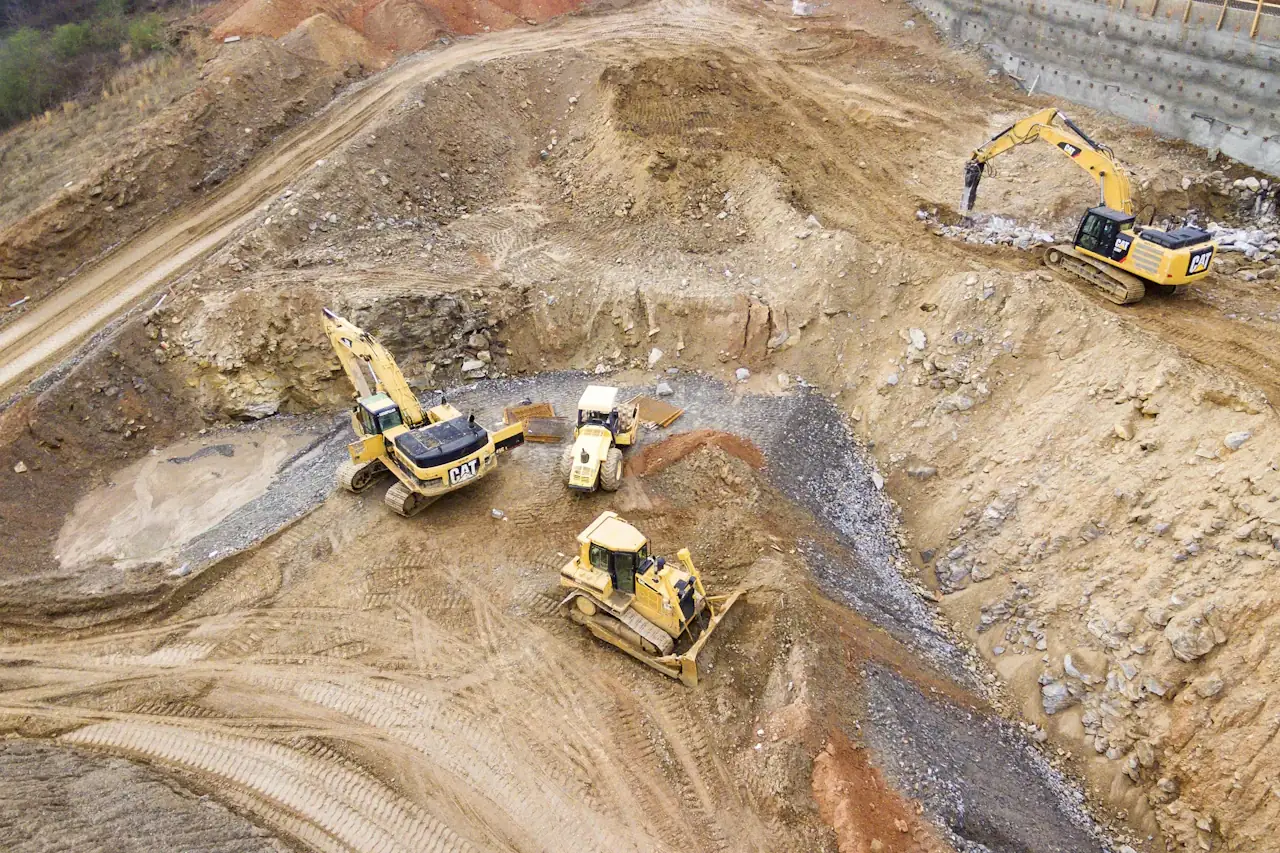
Stone dust affects worker health and the surrounding area. Learn the main dust sources, misting and extraction, haul road control and protective equipment.
Dust is an inseparable part of working with stone, but controlling it is a safety and environmental requirement. Very fine crystalline silica particles can cause serious lung disease, so reducing dust is first of all about people’s health.
| Method | Where used | Note |
|---|---|---|
| Misting and water sprays | Crushers and transfer points | Fine droplets use less water |
| Covers and enclosures | Conveyors and screens | Contains dust at source |
| Extraction and filters | Enclosed plant points | Suits dry products |
| Road watering | Quarry roads | Must be regular |
| Lower drop heights | Discharge points | Cheap and effective |
Haul roads are usually the biggest dust source in a quarry. Regular watering, speed limits and maintaining the road surface achieve a lot for little cost.
After engineering controls, suitable respirators and filtered-air cabs are the next layer of protection. Monitoring respirable dust shows whether these measures are enough.
Dust management helps product quality too, because less dust means less fine coating on particles. See the general stages of quarry work in Operating a stone quarry.
Related products
Related articlesRelated
Operating a stone quarry is a multi-stage process. Review exploration, planning, benched extraction, haulage and restoration of the land.
Crushed sand carries stone dust, which is not the same as clay. Learn the ASTM C33 limit, the methylene blue test and how production controls fines.
Sand equivalent shows the ratio of sand to clay-like fines by a quick method. Learn the ASTM D2419 procedure, the calculation and the limits of interpreting it.
Record the material type, approximate volume and delivery location so availability and terms can be reviewed.