Dust Control in Quarries and Crushing Plants
Stone dust affects worker health and the surrounding area. Learn the main dust sources, misting and extraction, haul road control and protective equipment.
Operating a stone quarry is a multi-stage process. Review exploration, planning, benched extraction, haulage and restoration of the land.
Every tonne of aggregate travels a long route before it reaches site. The quarry is where that route begins, and the quality of decisions made here carries through every later stage. This article reviews the general stages of operating an open quarry.
Before any work begins, the quality and volume of the reserve must be known. Geological mapping, boreholes and sampling show what the rock is, how uniform it is, and how much clay and how many weak layers it contains.
Testing samples at this stage shows what the rock suits. Rock that is good for concrete is not necessarily good for an asphalt surface course.
The operating plan sets the extraction sequence, the position of quarry roads and the place for waste. Topsoil is also removed at this stage and stored separately for final restoration.
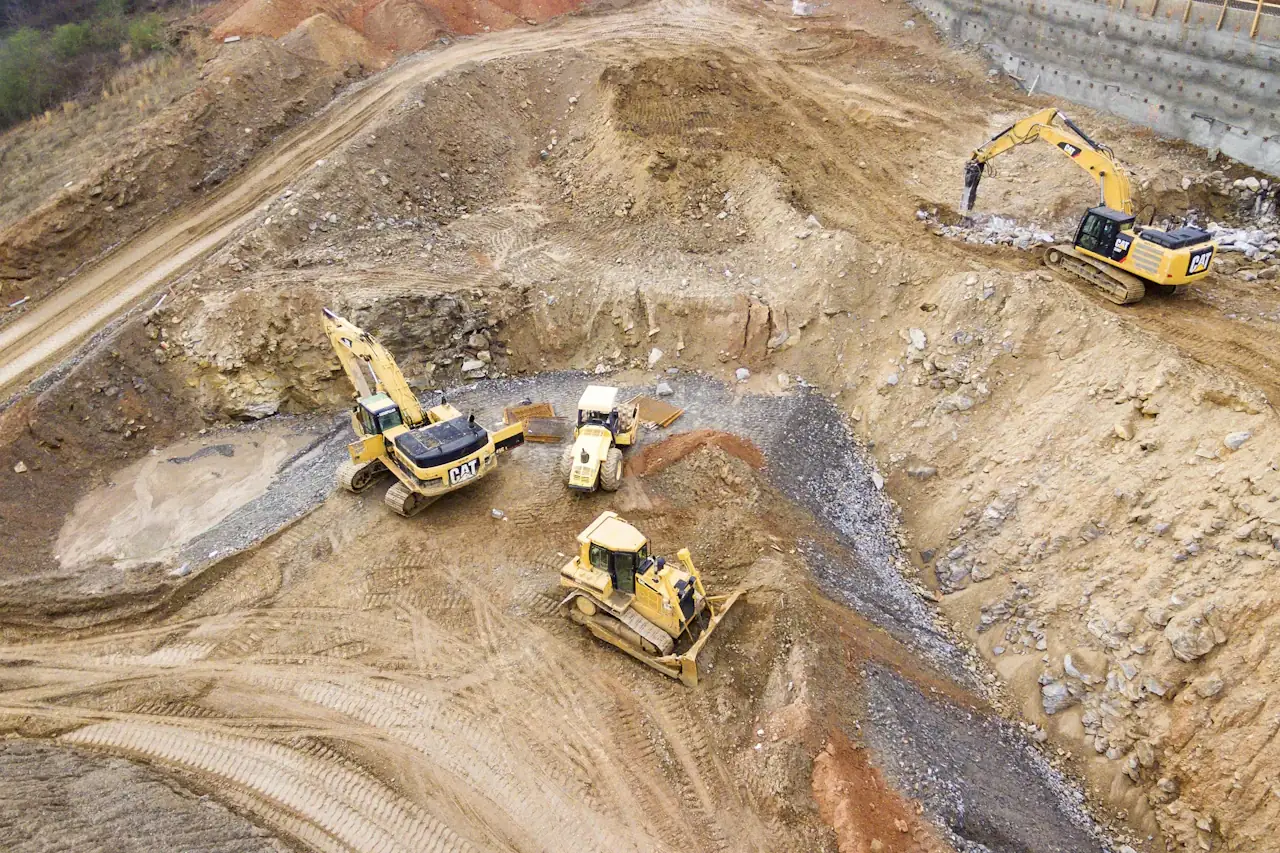
In open quarries, extraction proceeds in benches. The height and width of each bench are designed around slope stability and machine capacity. In hard rock, controlled blasting breaks the mass; in softer or alluvial material, extraction is direct, with an excavator or loader.
Controlling fragmentation here has real economic weight. Oversized pieces need secondary breaking, and excess fines lower product yield.
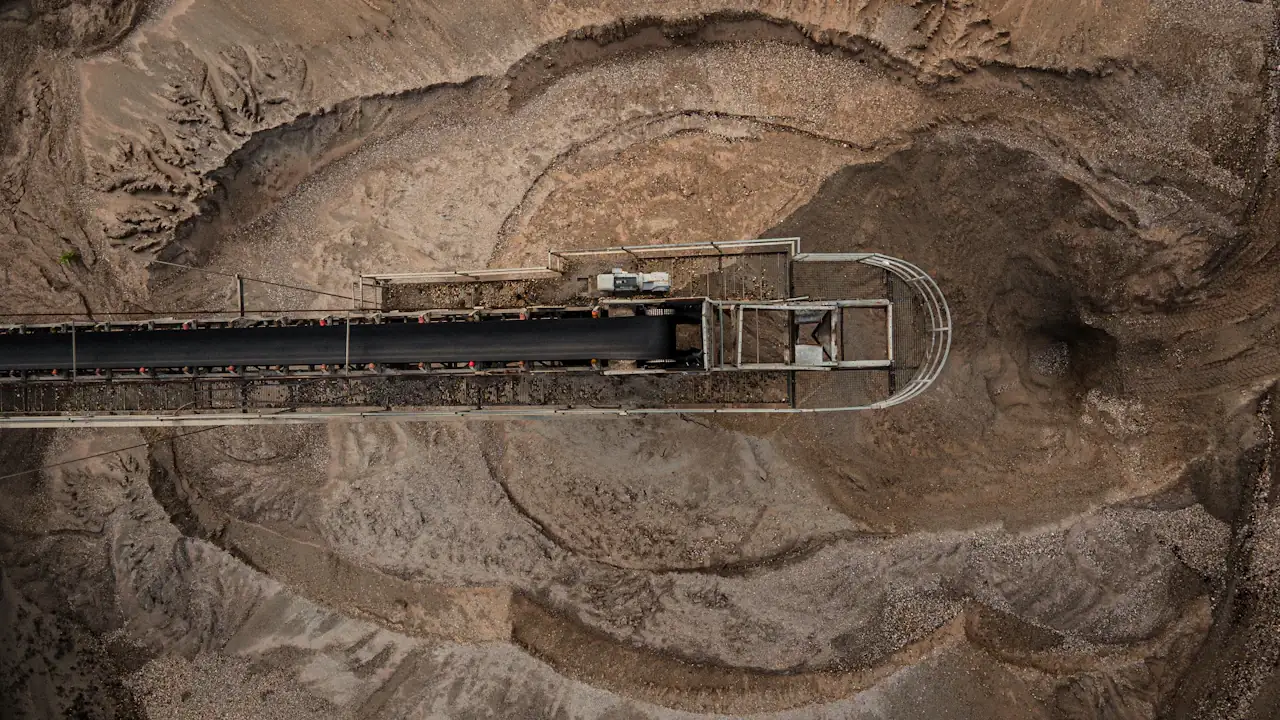
Extracted material moves to the primary crusher by truck or conveyor. Haul road design directly affects fuel use and safety. In some quarries, mobile crushers sit close to the working face to shorten the haul.
After the quarry, feed enters the processing line and passes through crushing, screening and washing. The route is described on the supply chain page, and washing is covered in Aggregate washing.
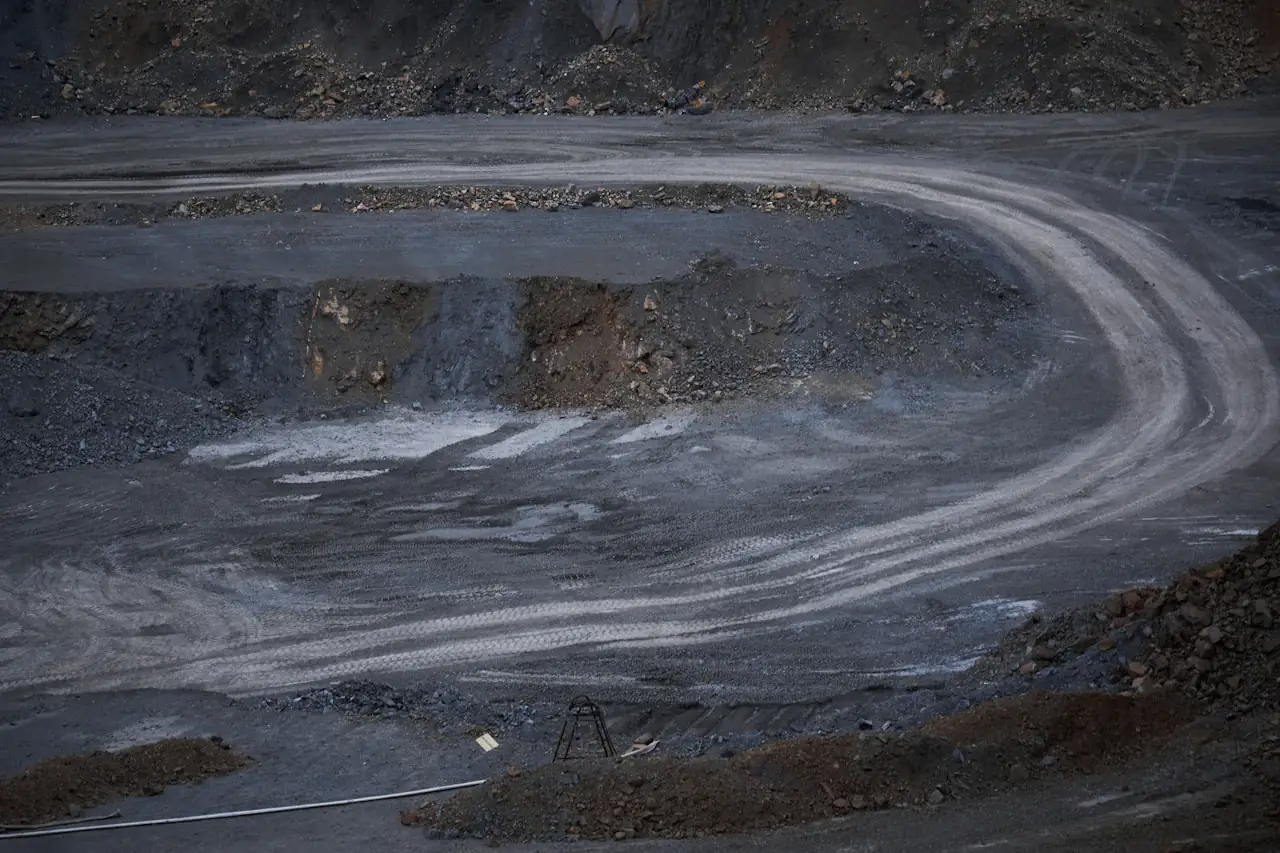
Quarrying carries hazards such as rockfall, heavy vehicle traffic and dust. Watering haul roads, monitoring face stability and managing surface water are common measures. See also Dust control in quarries and crushing plants.
The end of a quarry’s life is not the end of its responsibility. Stabilizing slopes and returning topsoil and vegetation are part of a closure plan, and are best built into the operating plan from the start.
Related products
Related articlesRelated
Stone dust affects worker health and the surrounding area. Learn the main dust sources, misting and extraction, haul road control and protective equipment.
Surface moisture in sand changes the water-cement ratio. Learn the moisture states, saturated surface-dry condition and how to correct batch weights and mix water.
Good material can fall out of specification in a poor stockpile. Learn why segregation happens and how to build, load and protect a stockpile.
Record the material type, approximate volume and delivery location so availability and terms can be reviewed.