Fines in Crushed Sand: How to Control Stone Dust
Crushed sand carries stone dust, which is not the same as clay. Learn the ASTM C33 limit, the methylene blue test and how production controls fines.
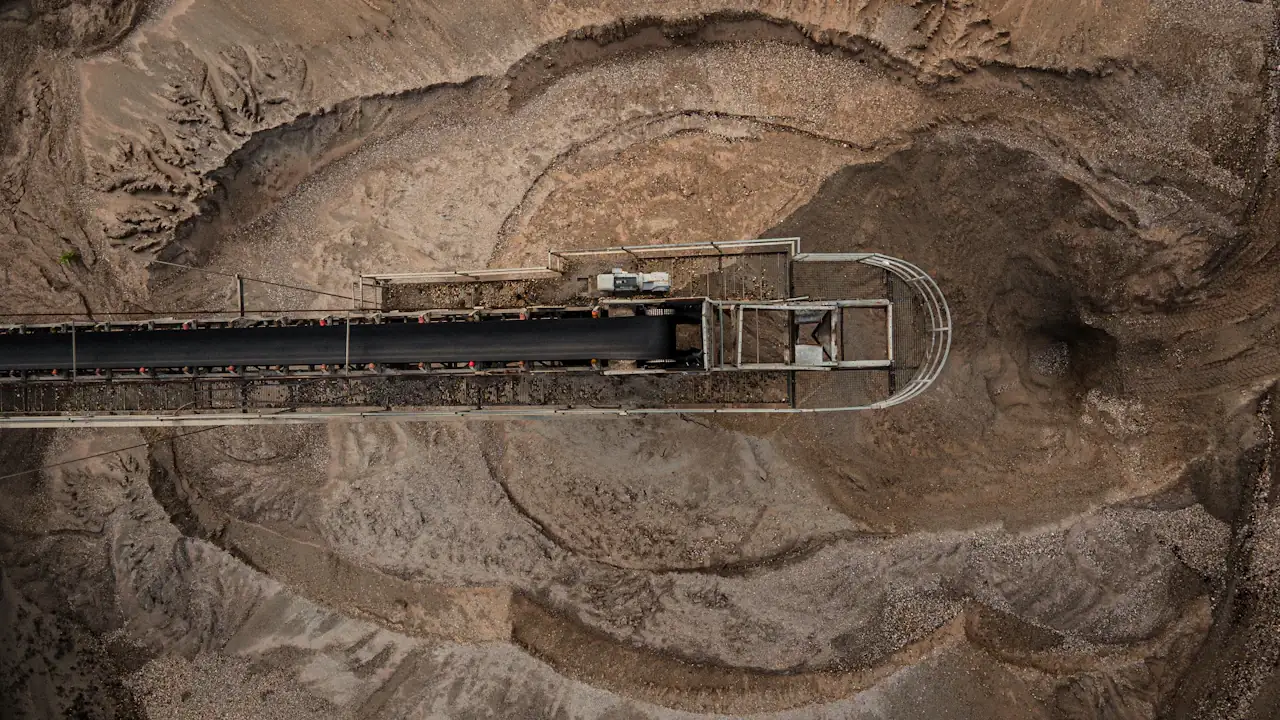
The aggregates industry faces limited natural resources and tighter environmental rules. Review the main responses, from crushed sand to recycling and water reuse.
Aggregates are among the most heavily used materials in the world, and construction is impossible without them. Yet extraction from natural sources has limits, and environmental requirements keep getting stricter. These pressures have pushed the industry towards the approaches reviewed below.
Uncontrolled extraction from riverbeds can erode the bed and damage habitats, and many regions now restrict it. As a result, crushed sand produced from quarried rock has taken a larger share of concrete production.
Better crushers and particle-shaping methods have improved the quality of this sand. Read the comparison in Natural sand or crushed sand.
Crushing demolished concrete and asphalt reduces both quarrying and construction waste. These materials are used more widely in sub-layers, while their use in structural concrete calls for tighter quality control and approval in the technical specification.
The main challenge is uniformity: their origins vary, and mortar stuck to the particles increases water absorption.
Modern washing lines with thickeners and filter presses return much of their water to the circuit and reduce the need for large settling ponds. This matters particularly in water-scarce regions.
Misting systems, covered conveyors and watering of haul roads are common ways of reducing dust. They help both worker safety and a quarry’s relationship with its surroundings.
Online grading measurement through image analysis, weighing and shipment tracking systems, and predictive equipment maintenance let plants see quality changes sooner and reduce unplanned stoppages.
For aggregate users, these changes mean more options and a need for more careful assessment. New materials must be measured with standard tests like any other, and their fitness for the application must be checked.
Related products
Related articlesRelated
Crushed sand carries stone dust, which is not the same as clay. Learn the ASTM C33 limit, the methylene blue test and how production controls fines.
Crushing old concrete reduces quarrying and waste. Learn the properties of recycled aggregate, its higher absorption, suitable uses and how to control its quality.
Stone dust affects worker health and the surrounding area. Learn the main dust sources, misting and extraction, haul road control and protective equipment.
Record the material type, approximate volume and delivery location so availability and terms can be reviewed.