Fines in Crushed Sand: How to Control Stone Dust
Crushed sand carries stone dust, which is not the same as clay. Learn the ASTM C33 limit, the methylene blue test and how production controls fines.
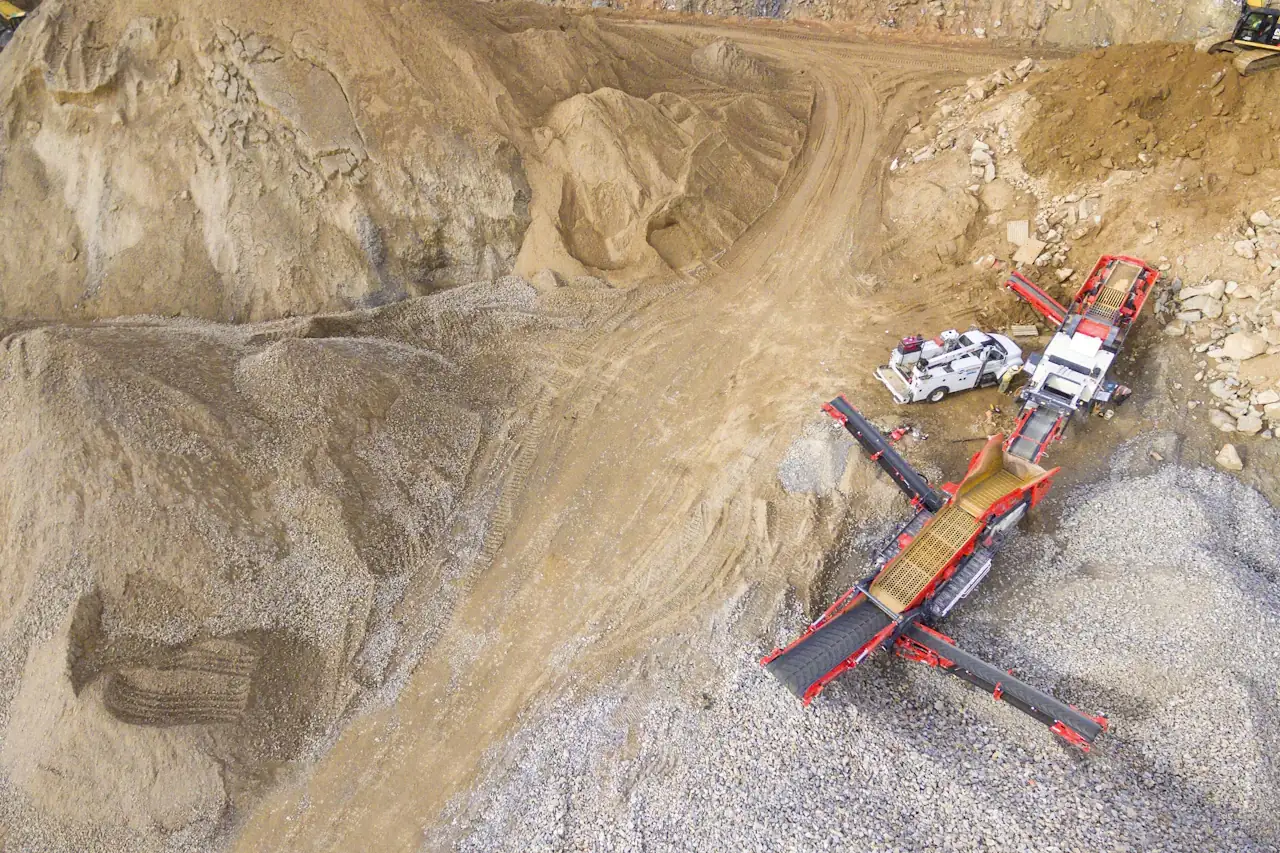
Crushing old concrete reduces quarrying and waste. Learn the properties of recycled aggregate, its higher absorption, suitable uses and how to control its quality.
Demolishing buildings and pavements produces a great deal of rubble. Crushing old concrete and reusing it cuts extraction from natural sources and reduces waste sent to landfill. These materials do not, however, behave like natural aggregate.
Mortar stuck to the particles is the most important difference. This mortar is porous and leads to:
| Use | Status |
|---|---|
| Subbase and fill | Common |
| Base | With suitable quality control |
| Non-structural concrete | Common in some regions |
| Structural concrete | Needs specification and technical approval |
The definition of coarse aggregate in ASTM C33 includes crushed concrete, but its use depends on meeting the same requirements and on approval in the project specification. Use under local specifications should be checked against each project’s references.
For water correction, Moisture and absorption helps. See the wider picture in New directions in the aggregates industry.
Related products
Related articlesRelated
Crushed sand carries stone dust, which is not the same as clay. Learn the ASTM C33 limit, the methylene blue test and how production controls fines.
Base and subbase layers spread traffic loads into the subgrade. Learn how the two layers differ, what their materials need and the key points of placing them.
The aggregates industry faces limited natural resources and tighter environmental rules. Review the main responses, from crushed sand to recycling and water reuse.
Record the material type, approximate volume and delivery location so availability and terms can be reviewed.