
Aggregate Moisture and Absorption: Correcting Concrete Mix Water
Surface moisture in sand changes the water-cement ratio. Learn the moisture states, saturated surface-dry condition and how to correct batch weights and mix water.
Supplying Construction Materials and Aggregates, with a Commitment to Quality and Trust.
About usWho we are
Abtin Pars Kia specializes in producing and supplying construction materials and various types of aggregates, with a commitment to delivering high-quality products that meet the construction industry’s technical standards. By clearly presenting each product’s technical specifications, characteristics, and applications, we aim to provide a transparent and reliable foundation for understanding, evaluating, and selecting materials with confidence—because quality materials are the foundation of safe, sustainable, and long-lasting construction.
About Abtin Pars Kia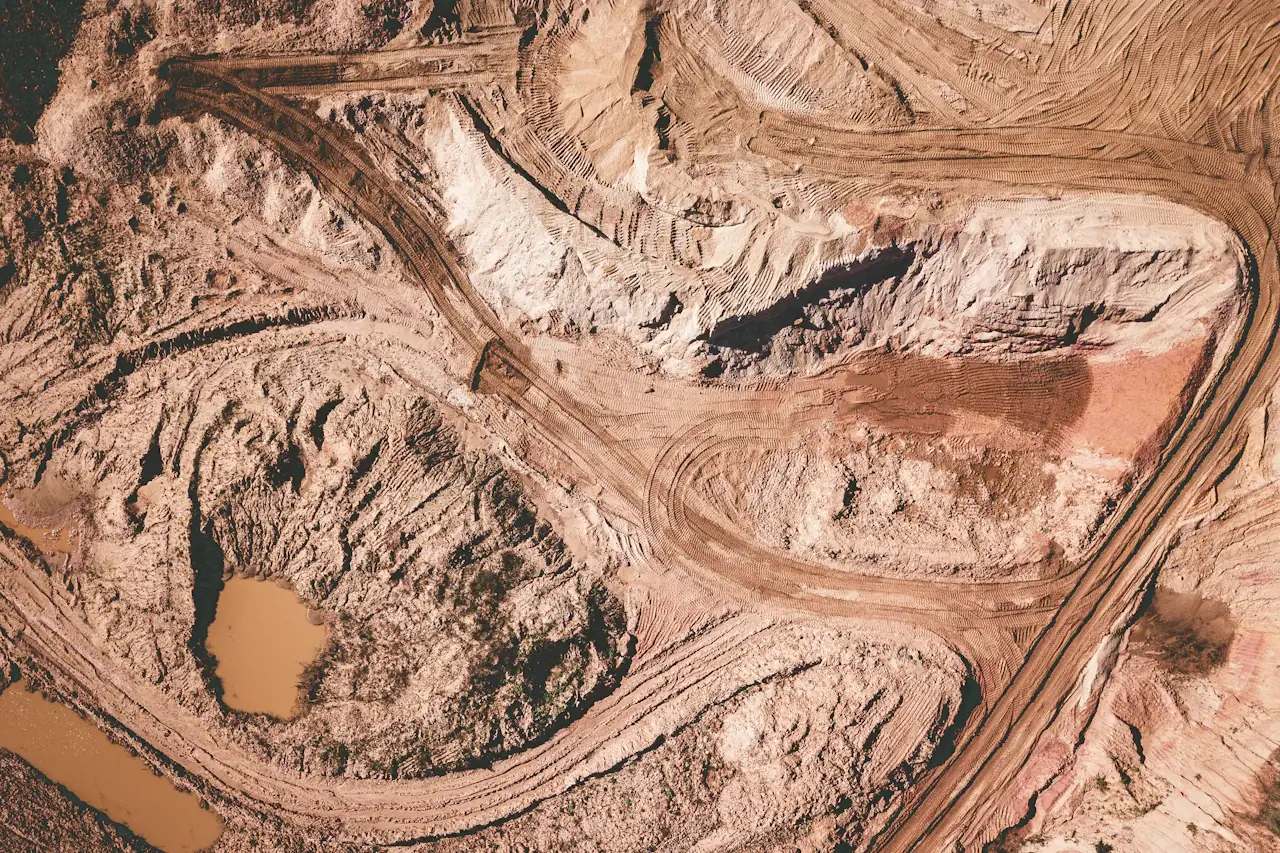
We measure material quality by grading, test results and conformity with standards rather than by description.
Every application has its own requirements; the right choice starts with understanding them exactly.
Our motto is “Built on trust”: trust that comes from transparent information and plain communication.
ProductsMaterials
Materials are classified by type and size range. Each product has its own page with applications, technical references and reference grading limits.
Natural and crushed fine aggregate for concrete, mortar and plaster, with controlled fineness modulus and cleanliness.
Crushed and rounded coarse aggregate in standard size ranges for concrete and asphalt.
Continuously graded mixes for load-bearing pavement and foundation layers.
Page: Base and subbaseLarge stones for foundations, retaining walls, aprons and protection of slopes and shorelines.
Page: Rubble stone and riprapStone powder and air-separated fines for asphalt, fillers and industrial uses.
Page: Filler and finesApplicationsApplications
Material that suits structural concrete does not necessarily suit a drainage layer or road base. The right choice begins with understanding the application.
 01Concrete and concrete structuresAggregate makes up about three-quarters of concrete by volume; the quality of this part decides the quality of the structure.
 02Road constructionBase and subbase layers spread traffic loads across the road foundation, and pavement life depends on their quality.
 03Asphalt and pavementAggregates make up most of the weight of an asphalt mix and determine how the surface behaves.
 04Buildings, mortar and plasterIn masonry and finishing work, sand grading decides workability and the quality of the final surface.
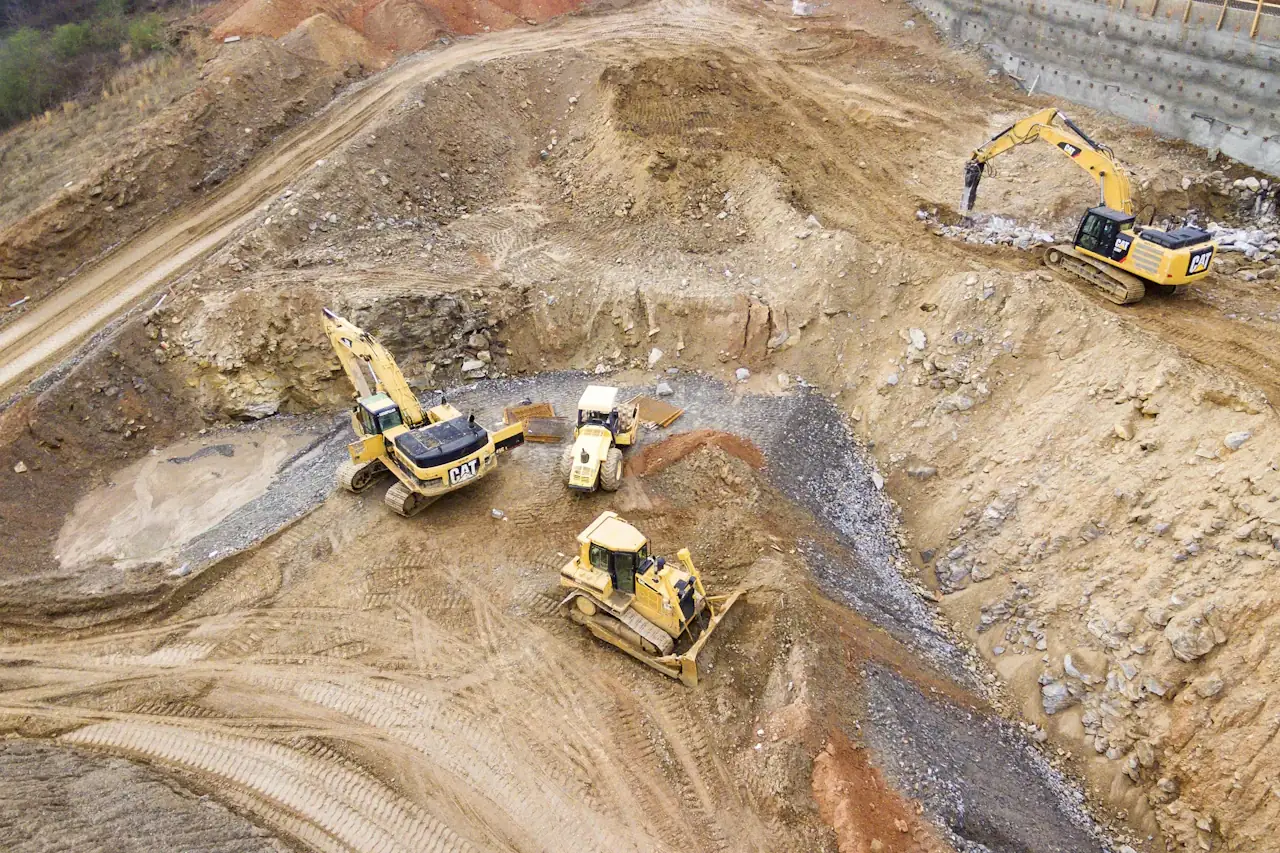 05Foundations and earthworksGranular layers under a structure spread load and provide a stable working platform.
 06Slope protection and water structuresLarge stone protects slopes and footings from water flow and waves.
 07Drainage and filtrationSingle-size gravels pass water and hold back fine particles.
CapabilitiesWhat we can do for you
Every request is reviewed by a defined route, from price inquiries to supply partnerships.
Record the material type, approximate volume and delivery location so availability and terms can be reviewed.
Send the application and your project's technical specification so the right option can be reviewed against its requirements.
For repeat requirements, state the site schedule and delivery window in the same inquiry.
Suppliers and partners in this field can reach us by the same route.
Supply chainFrom source to site
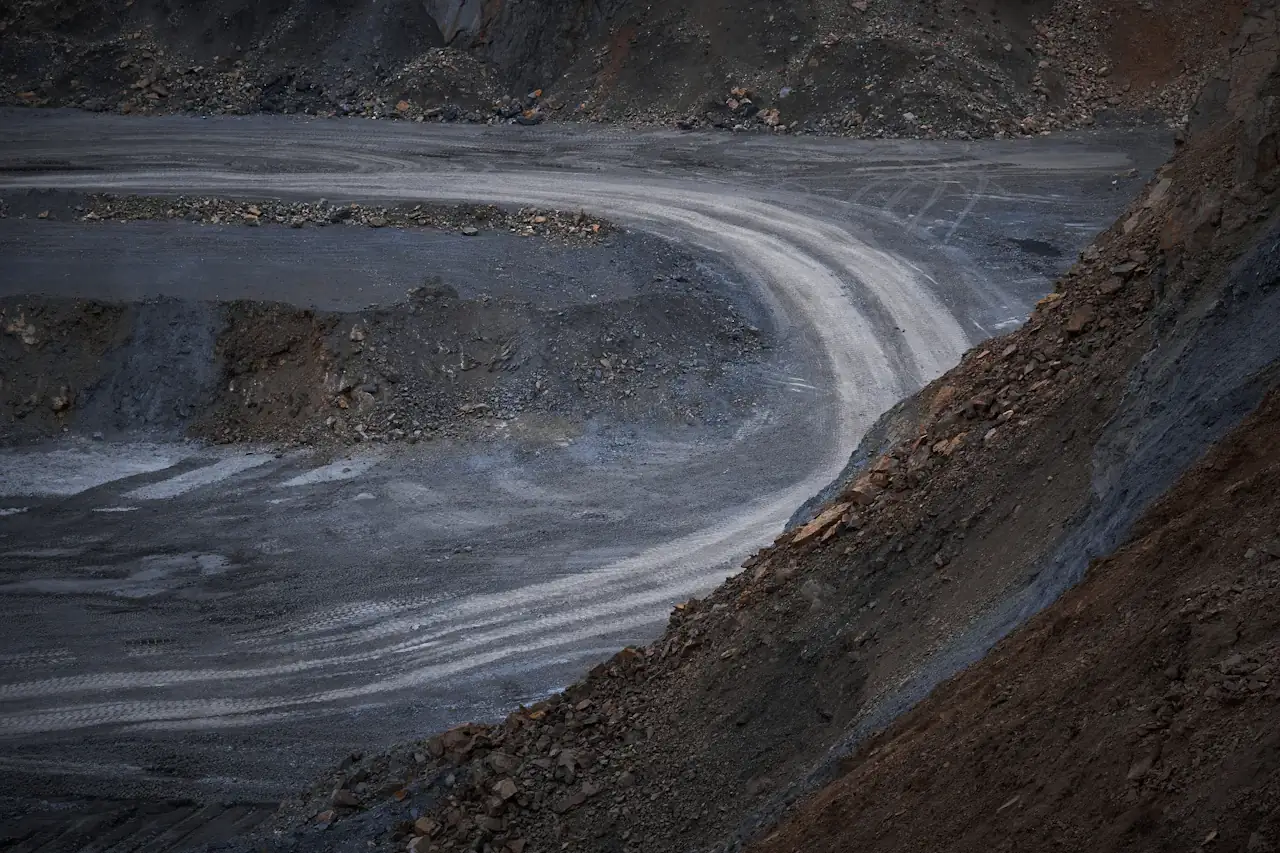 01 / Sourcing
The quality of an aggregate is set by the geology of its source before any operation begins. Rock type, deposit uniformity, clay and impurity content and face stability are the main criteria for assessing a source.
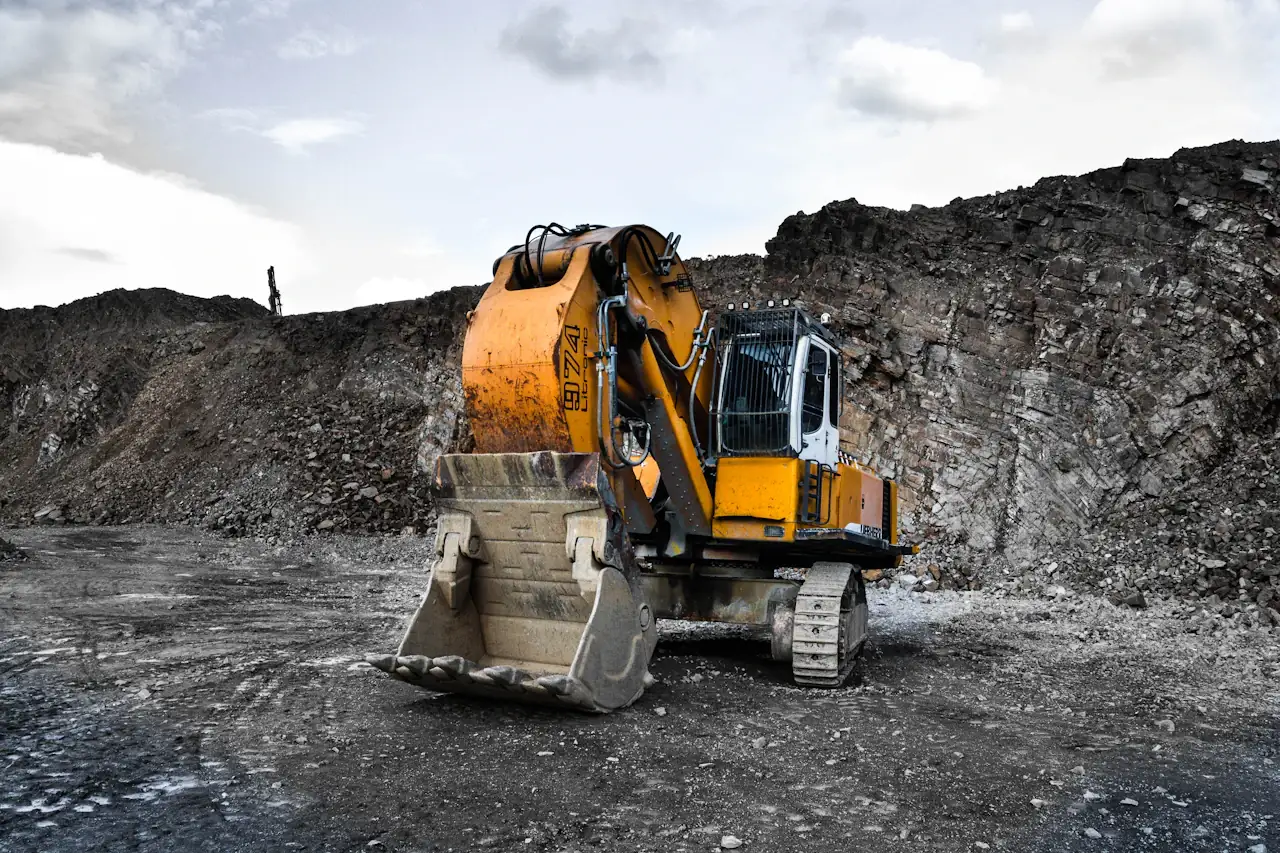 02 / Extraction
Benched extraction from a quarry face or alluvial bed is carried out with planned sequencing and dust control, so that plant feed stays uniform.
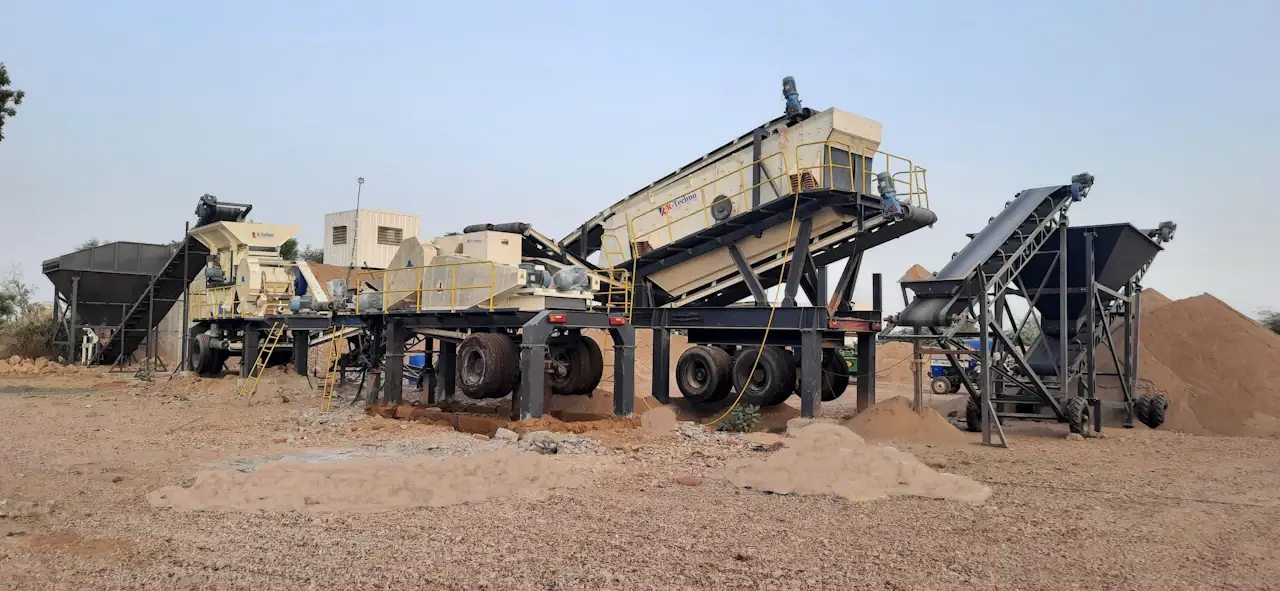 03 / Crushing
Staged crushing in jaw, cone and impact crushers sets particle size and shape. Cubical particles improve concrete workability and interlock in pavement layers.
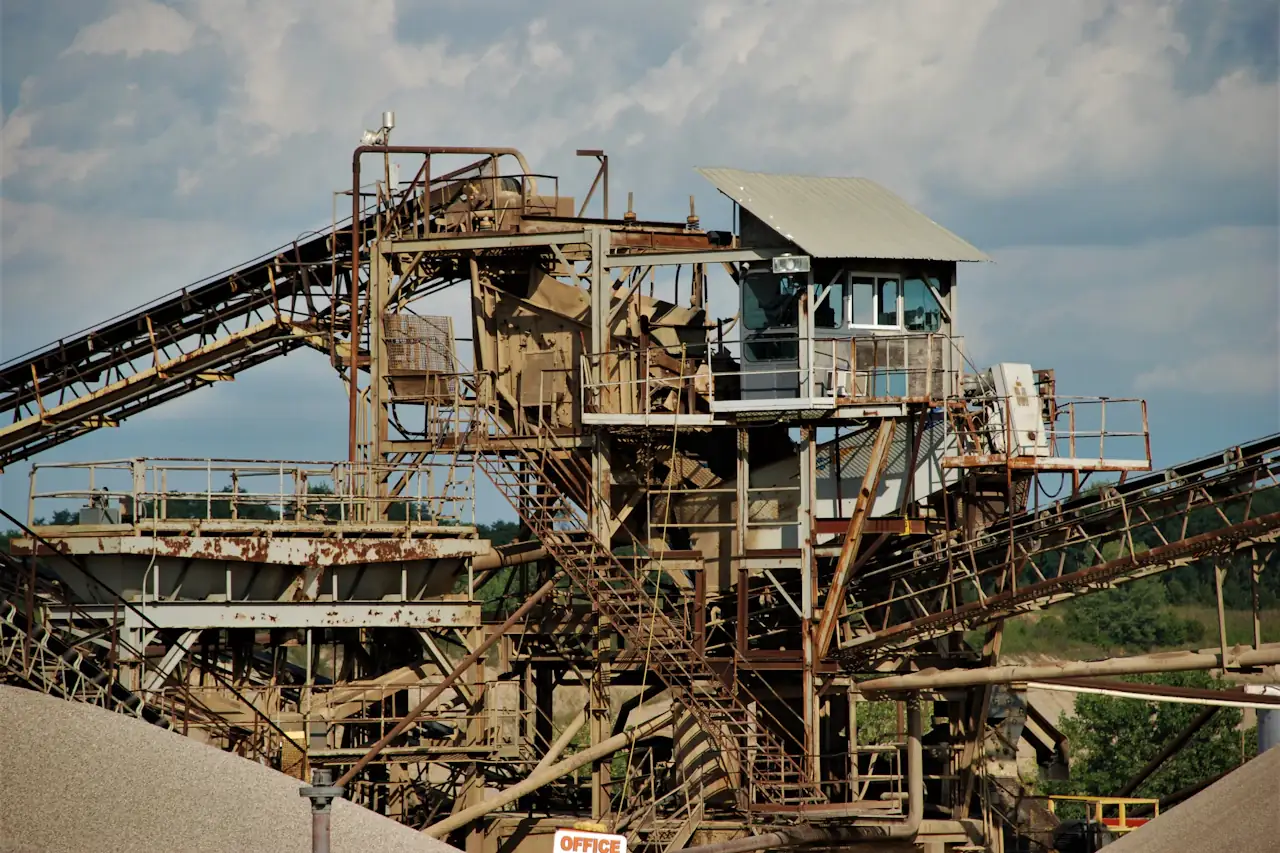 04 / Screening
Vibrating screens separate material into defined size ranges. Conformity of the grading curve with the reference standard is a precondition for a stable mix design.
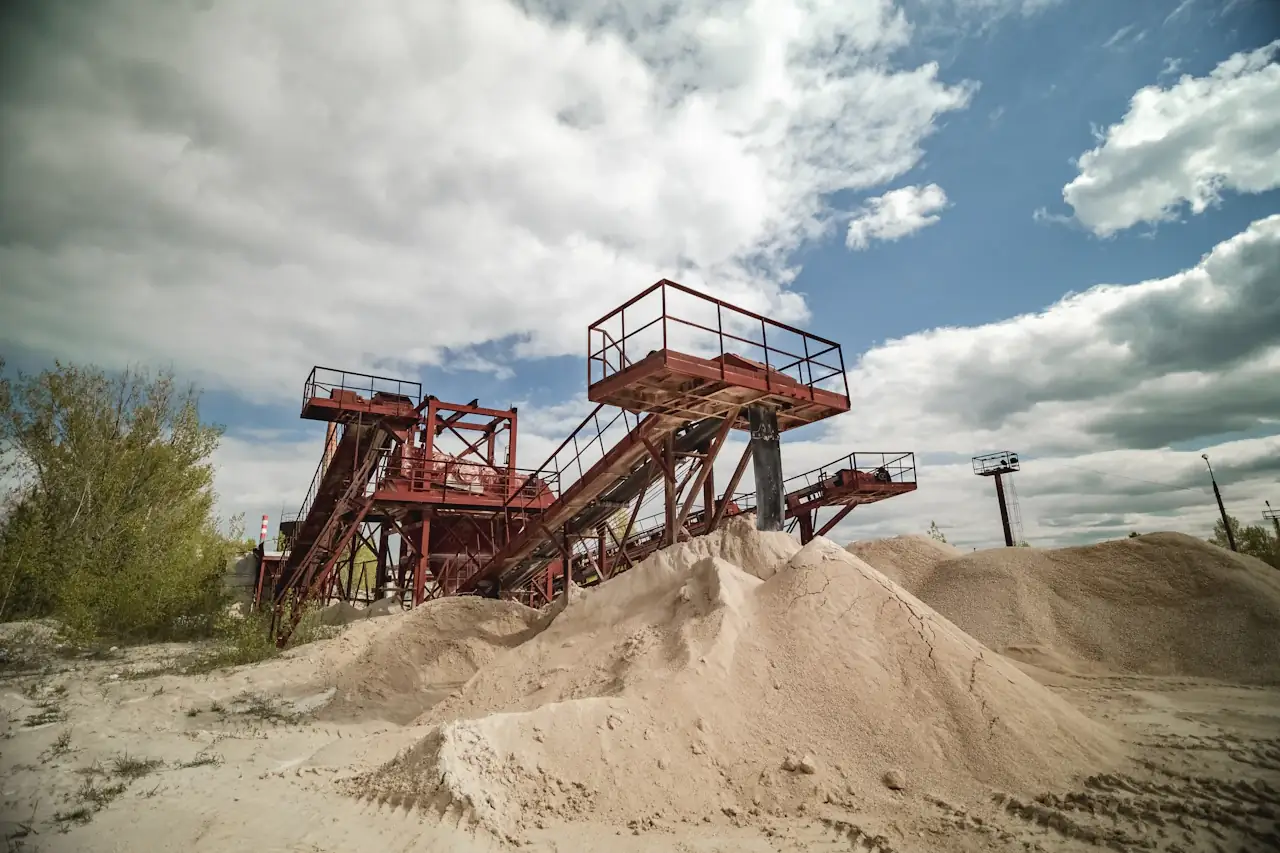 05 / Washing
Washing removes clay, silt and organic matter clinging to the particles and brings the percent finer than the 75 µm sieve within limits. This stage directly affects cement paste bond.
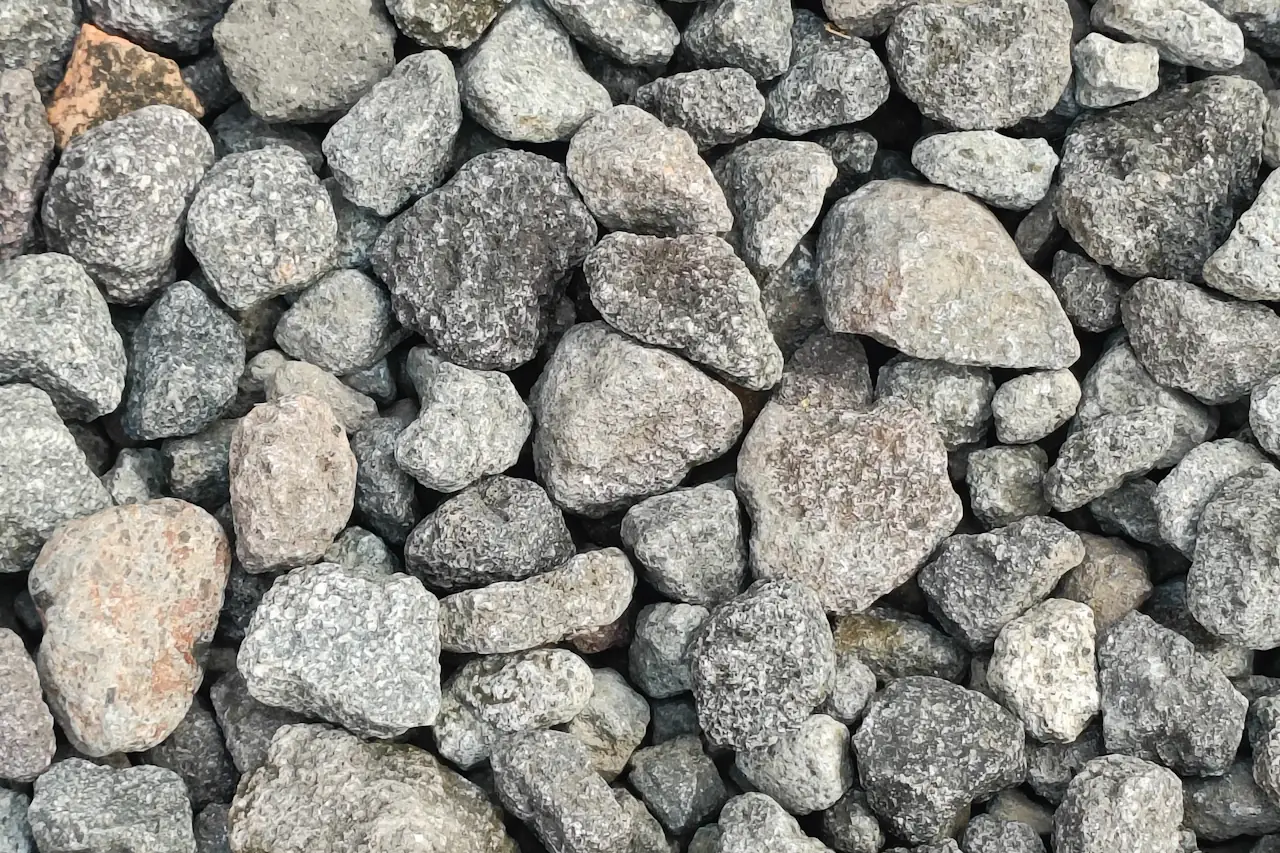 06 / Quality control
Regular sampling and tests such as grading, sand equivalent and Los Angeles abrasion show whether each shipment conforms to the order specification.
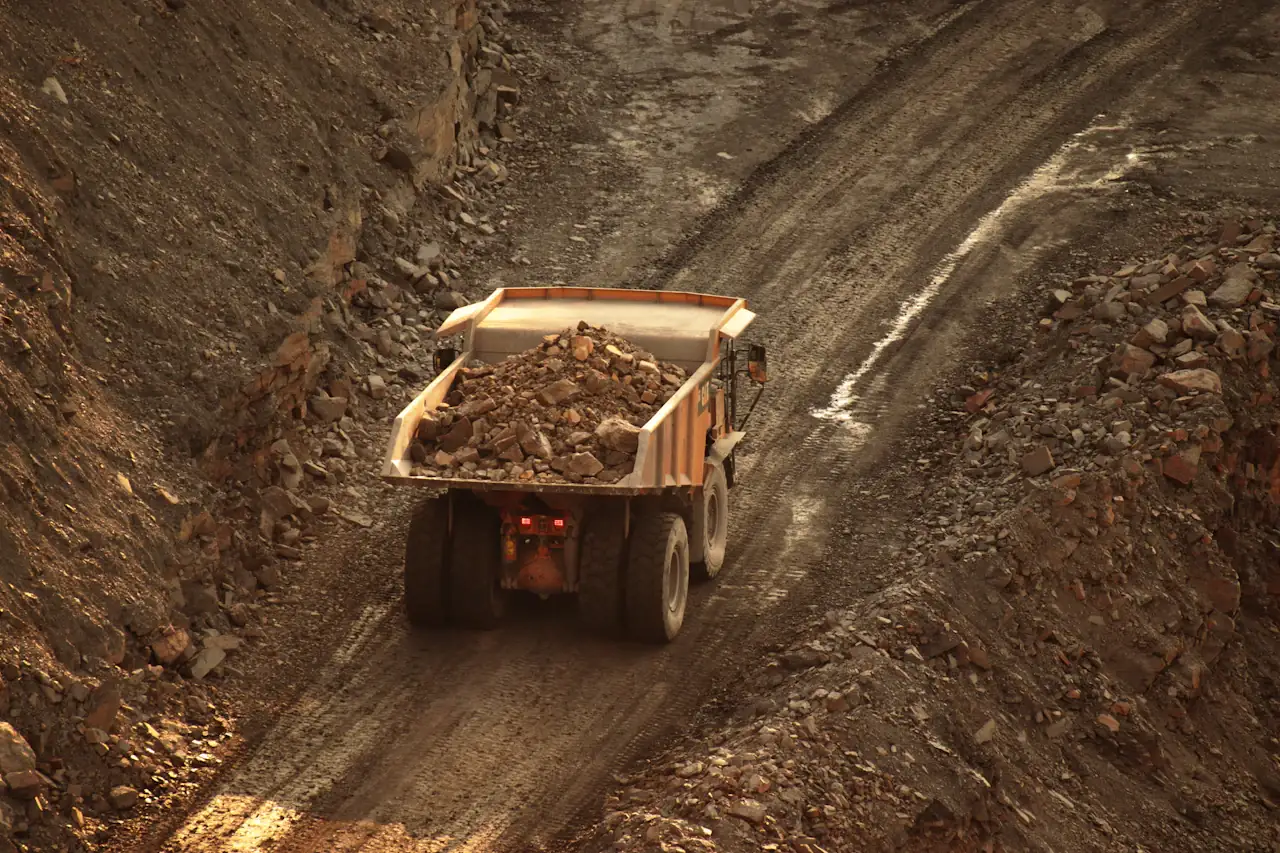 07 / Delivery
Separate stockpiles and controlled loading prevent mixing and segregation. Coordinating haulage with the site schedule keeps the work continuous.
Quality and standardsQuality
Grading, cleanliness, durability and particle shape can all be measured. National and international standards set the common yardstick for assessing them.
ASTM C136
ArticlesKnowledge
Practical guides on selecting, processing and evaluating materials.
Surface moisture in sand changes the water-cement ratio. Learn the moisture states, saturated surface-dry condition and how to correct batch weights and mix water.
Good material can fall out of specification in a poor stockpile. Learn why segregation happens and how to build, load and protect a stockpile.
Some siliceous aggregates react with cement alkalis and crack concrete. Learn the signs, the ASTM tests and the usual ways of managing this risk.
Projects and experienceProjects
Projects are presented here once they are confirmed and their information is cleared for publication. Each project will include:
The project's scope of work and the client's name, where publishing it is permitted.
Material type, grading and supply range, linked to each product's page.
The reference standard and the criteria the material was assessed against.
Record the material type, approximate volume and delivery location so availability and terms can be reviewed.