Choosing Sand for Mortar and Plaster: Cracking, Adhesion and Workability
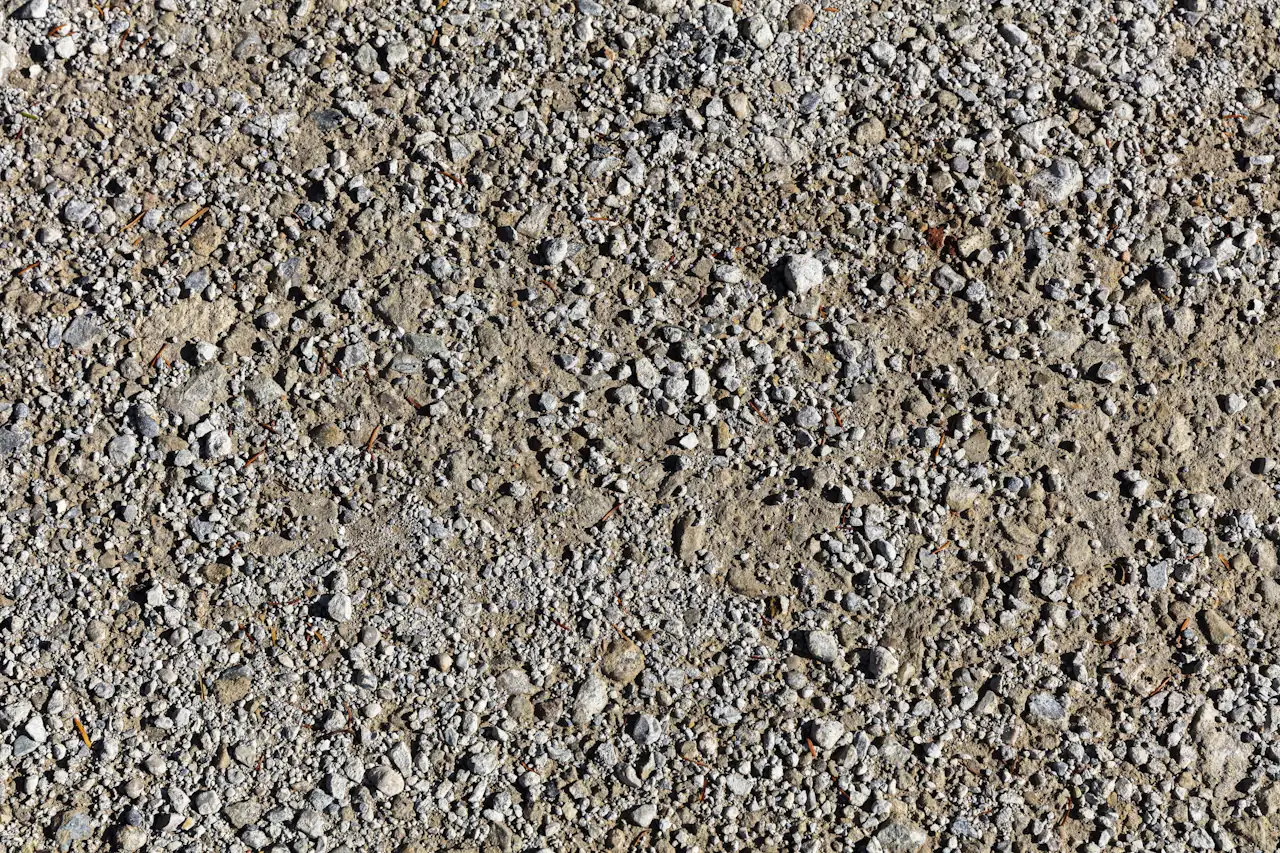
Unsuitable sand leads to cracked, detached plaster. Learn ASTM C144 limits, how fines and clay act, and how to select sand for masonry mortar and plaster.

Maximum gravel size depends on member dimensions, bar spacing and placement method. Learn the common rules and how this choice affects cement use and workability.
Choosing the maximum aggregate size is one of the first decisions in mix design. The number affects both how concrete passes between reinforcing bars and how much cement paste is needed.
A common rule found in ACI 318 says the nominal maximum size should not exceed:
For projects in Iran, the Iranian Concrete Code (ABA) and the project specification are the final references. The smallest of these values is the upper limit of the choice.
As aggregate gets larger, the total particle surface falls and less cement paste is needed to coat it. This can lower cement use and shrinkage. In high-strength concrete, however, smaller aggregate usually behaves better, because the transition zone between paste and stone is more limited and stresses are more evenly distributed.
| Conditions | Common option |
|---|---|
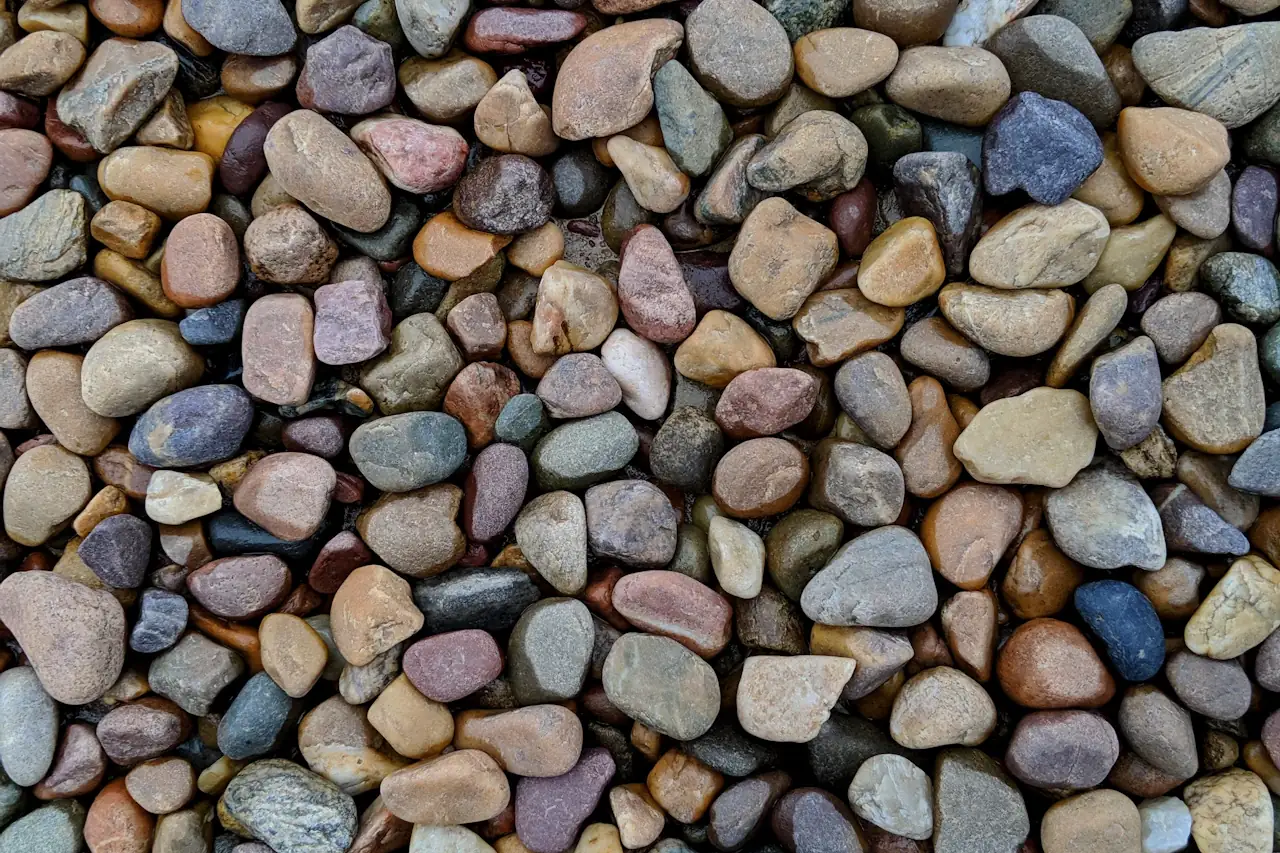
| Massive members with light reinforcement | Almond gravel |
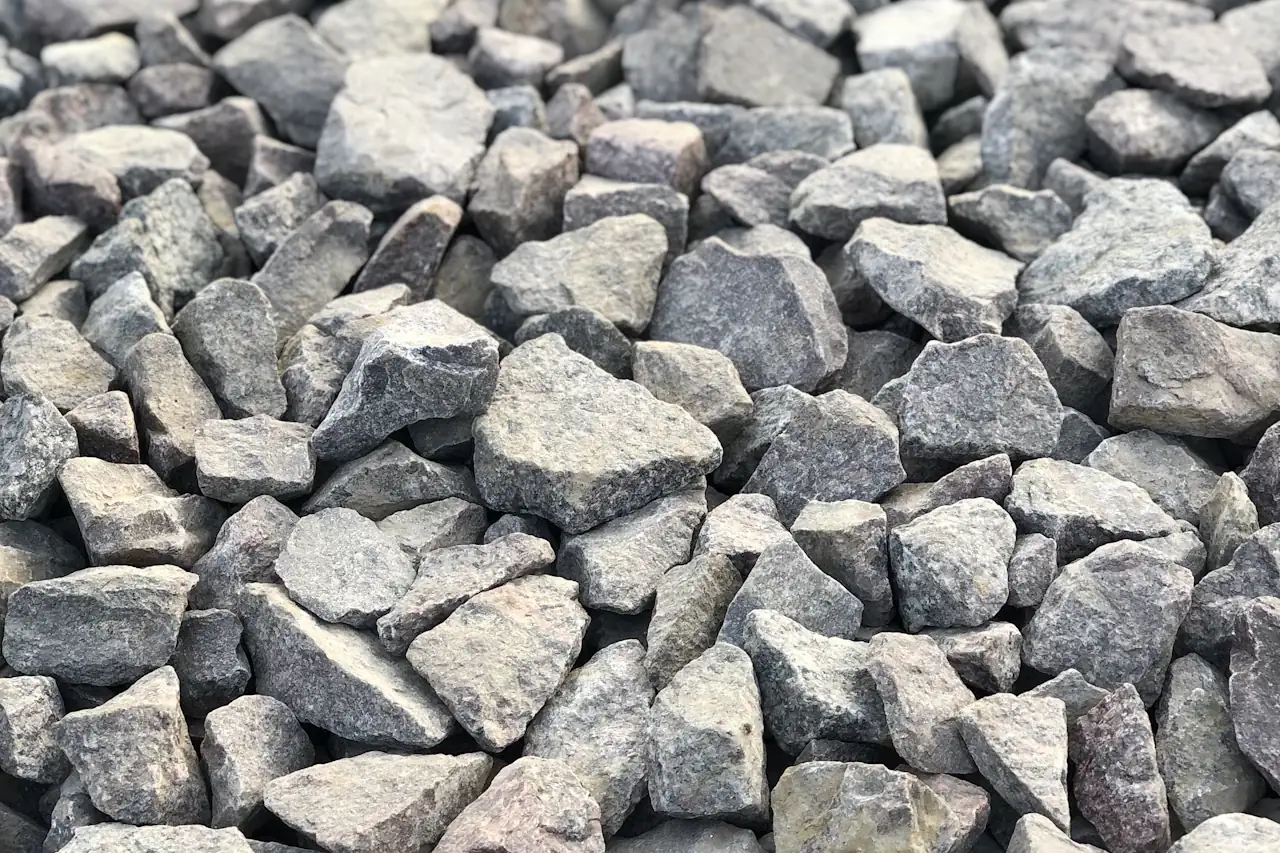
| Ordinary columns and beams | Gravel with a maximum of 19 to 25 mm |
| Pumped concrete, dense reinforcement | Pea gravel, or a blend with coarser gravel |
| Thin sections | Fine coarse aggregate with a maximum of about 9.5 to 12.5 mm |
The pump line diameter also sets a limit, and maximum size must suit it. Coordinate with the concrete supplier or pumping contractor before ordering.
This table is a general guide and does not replace a mix design. To review material types, see the concrete requirements.
Related products
Related articlesRelated
Unsuitable sand leads to cracked, detached plaster. Learn ASTM C144 limits, how fines and clay act, and how to select sand for masonry mortar and plaster.
A drainage layer must pass water and hold back soil. Learn Terzaghi's filter criteria, material cleanliness and how to place French drains and geotextiles.
Flat and elongated particles reduce compaction and workability and break under load. Learn how they are measured, what they do and how production reduces them.
Record the material type, approximate volume and delivery location so availability and terms can be reviewed.