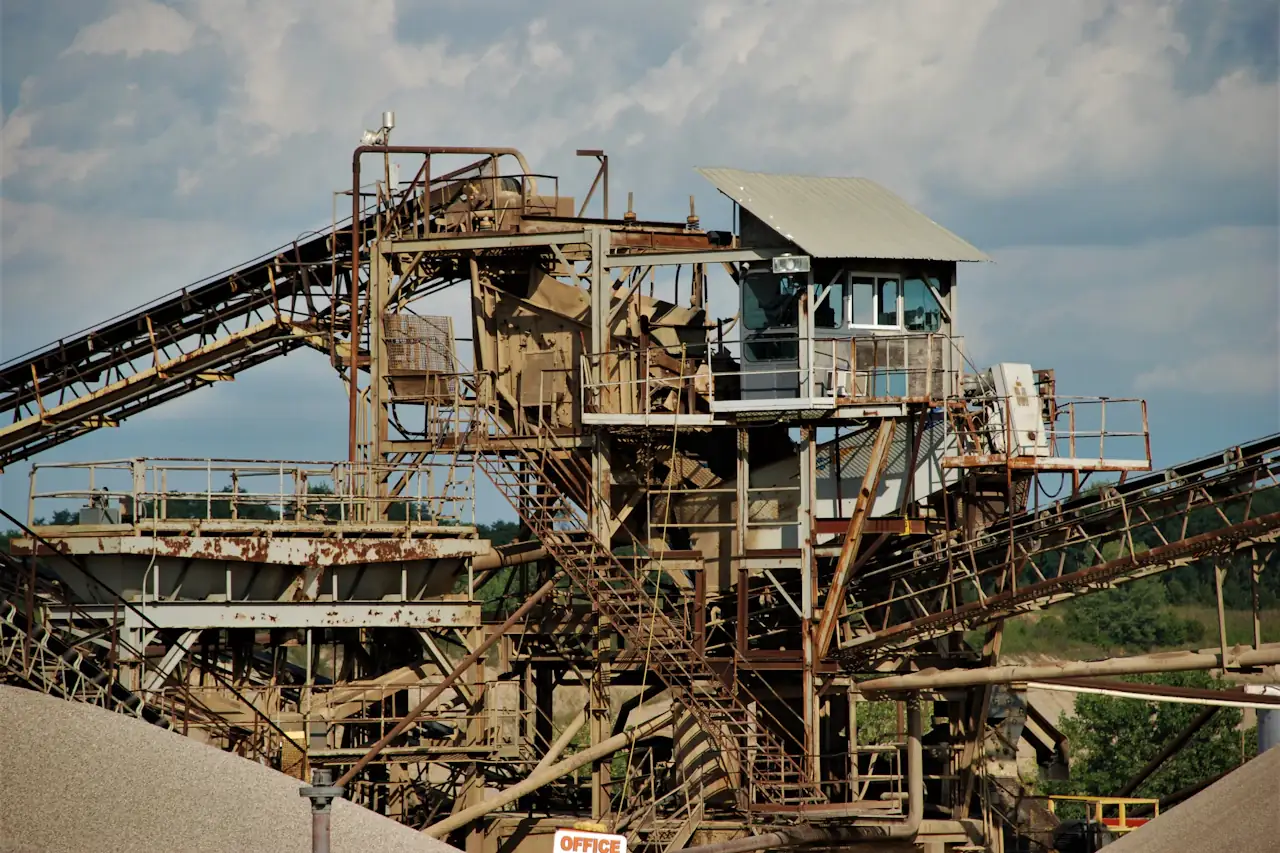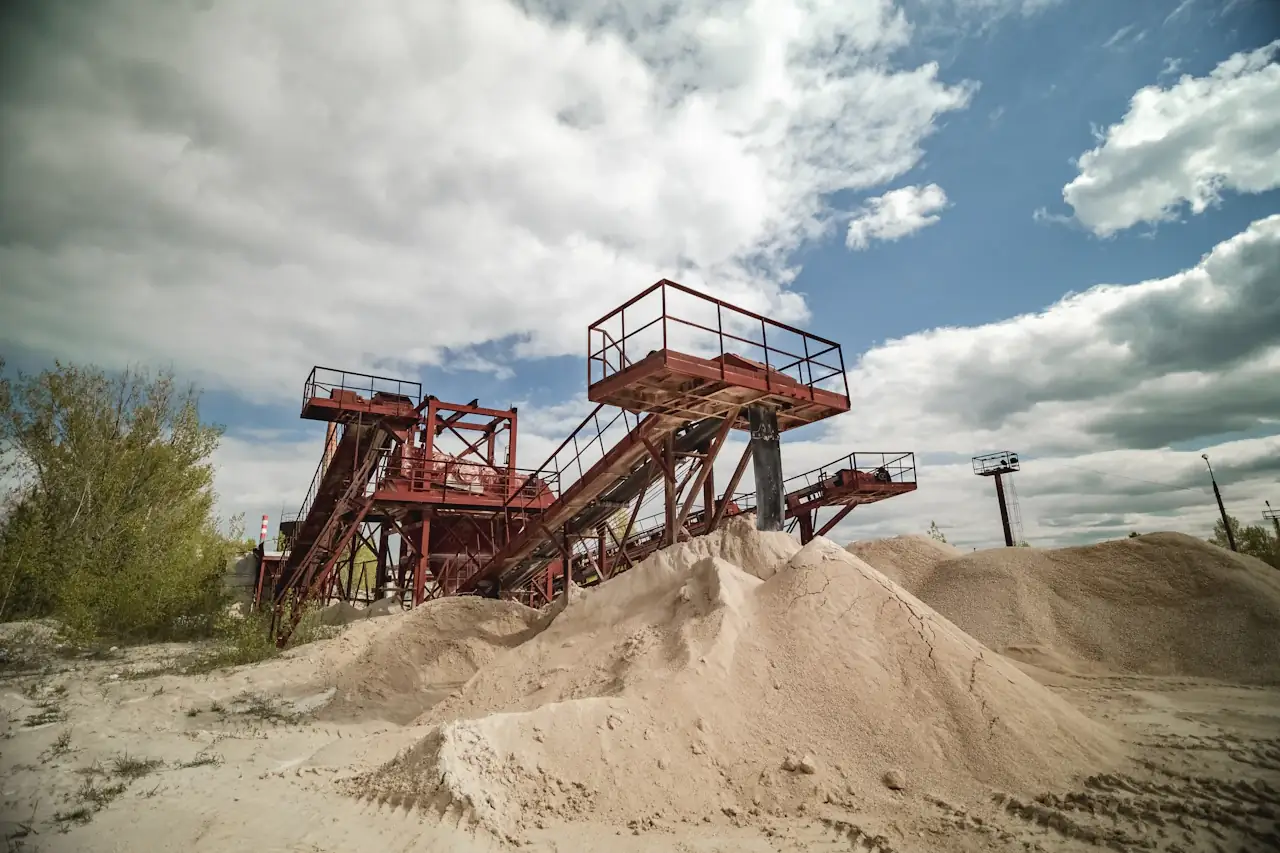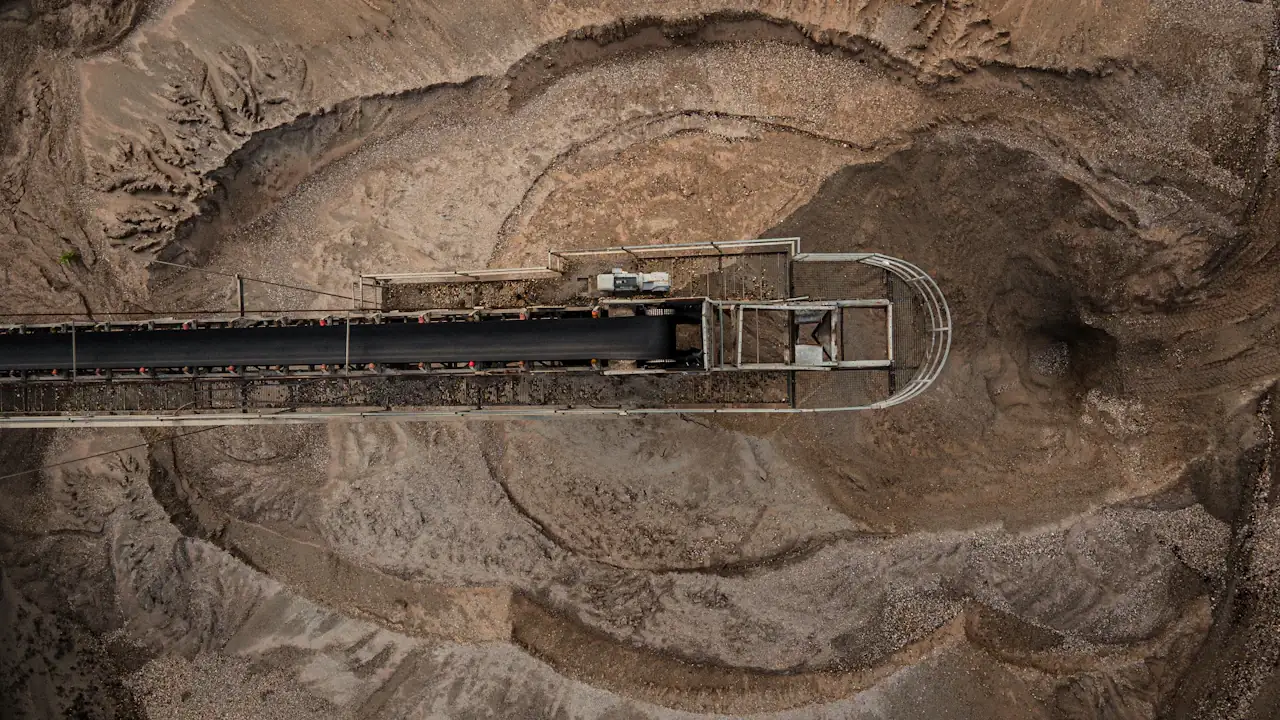
Aggregate Stockpiles: How to Prevent Segregation and Contamination
Good material can fall out of specification in a poor stockpile. Learn why segregation happens and how to build, load and protect a stockpile.
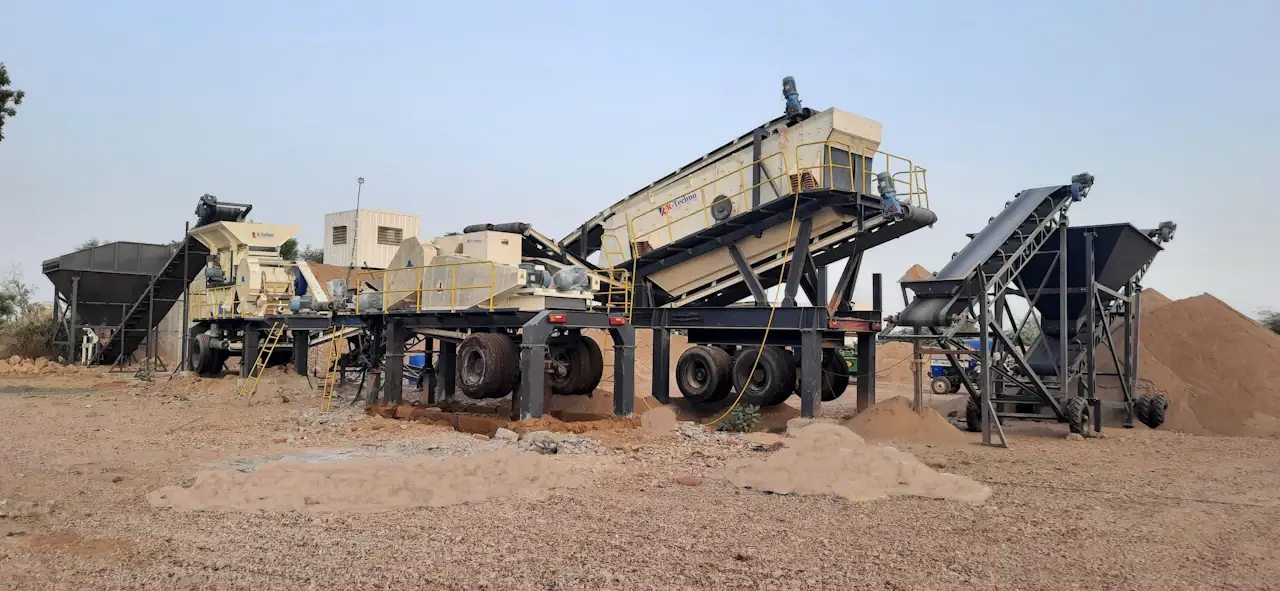
Each crusher breaks rock by a different mechanism. Learn jaw, cone, impact and VSI crushers and how they affect particle shape and product grading.
Crushed aggregate is the product of several crushing stages. Each stage uses a crusher that suits the incoming rock, the output size and the particle shape required.
| Type | Mechanism | Usual position | Note |
|---|---|---|---|
| Jaw | Compression between two jaws | Primary | Simple, suits hard rock |
| Gyratory | Compression in a large conical chamber | Primary at high capacity | Continuous, high capacity |
| Cone | Compression and inter-particle crushing | Secondary and tertiary | Suits hard, abrasive rock |
| Horizontal shaft impact | Blow bar impact and striking plates | Primary or secondary | More cubical particles, more wear in abrasive rock |
| Vertical shaft impact (VSI) | Rock thrown against rock | Final | Shaping particles and making sand |
Rock hardness and abrasiveness strongly affect wear part costs. Limestone usually crushes well in impact crushers, while siliceous rocks are more abrasive and are often processed in jaw and cone circuits. Moisture and clay in the feed can also cause blockages.
Setting, continuity of feed and reduction ratio directly affect particle shape. A closed circuit of crusher and screen returns oversize particles to the crusher and gives more stable grading. Read the next stage in Screening and grading.
Related products
Related articlesRelated
Good material can fall out of specification in a poor stockpile. Learn why segregation happens and how to build, load and protect a stockpile.
A vibrating screen turns crusher output into separate products. Learn what affects screen efficiency, the main media types and common problems such as blinding.
Washing separates clay, silt and stone dust from aggregate. Learn how this stage affects concrete, what equipment is common, and how water and sludge are managed.
Record the material type, approximate volume and delivery location so availability and terms can be reviewed.